Could Timothy’s Demise Be Linked to Parents’ Past?
It IS possible that the deliberate nonaction is connected to Timothy’s parent’s public stance in opposition to corrupt governmental practices?
For the past 25 years, Timothy’s parents, Reverend John and Shirley Stone, have engaged in a campaign to expose the racketeering and severe violations of civil rights they endured while representing themselves in court.
It is a stark reality that the kidnapping and failure to rescue Timothy’s three minor children contributing to Timothy’s tragic death, March 2, 2024, mirrors the same pattern of governmental depraved illicit behavior that has been inflicted upon the Stones by Arizona’s Local, State and Federal governments for a quarter of a century.
The Stones meticulously documented their previous experiences and authored books detailing the legal challenges they faced. These accounts have not been disputed as they contain irrefutable evidence, including court actions and invalidated judgments. Individuals who have read the Stone’s books and are closely monitoring Timothy’s case have shared with Reverend Stone that their present interactions with Arizona’s high-ranking officials can be seen linked to their past experiences.
What could be the underlying cause?
What could be the underlying cause for the unjustified nonaction and the denial of fundamental civil and human rights by these officials in this time, 2024?
Is there a plausible explanation for such blatant negligence on the part of those in authority in this case? Could it be possible that there is an ongoing effort in this time to conceal the truth that exposes a practice of continued complicity of biasness and prejudice?
This web site, dedicated to Timothy, provides a comprehensive overview of the situation surrounding his sudden death. It provides several certified criminal complaints submitted to Arizona Governor Hobbs, Attorney General Mayes, and other relevant authorities. The documents present indisputable facts and relevant legal statutes that should have enacted a demand for urgent legal scrutiny and intervention in this unresolved case.
The Stones’ books, “A Raping to Buy Justice”, provide evidence that points to a clear and disturbing trend of abuse of power and disregard for basic human rights by those in positions of authority. Similar historical patterns and practices observed within the government’s operations revealed in their books are evident in these actions. The Stones are offering their books to educate and inform to aid in their ongoing legal efforts for equitable justice.
Support the Stones’ Case for Equal Treatment by Law.
Get the books and peruse to judge for yourself if there are correlations between the Stone’s past encounters with injustice and the apparent apathy of current officials towards Timothy’s plight. These stories show why it is imperative that we stand up against such flagrant violations of the law and demand justice for Timothy, his family and all others experiencing or may have experienced the same predicament of maltreatment by officials.
In a society built on principles of justice and fairness, it is unacceptable for government officials to act with such impunity. We must hold those responsible accountable and ensure that such atrocities are never repeated.
The time for change is now, and we must unite in our quest for a more just and equitable society. Support the Stones. Click Here to Get the Books.
We have spent 5,000 hours doing the work the police refused to do. We have uncovered a 'Counterfeit Order' enterprise where the Law is bartered for political favors. Now, WE THE PEOPLE must decide: Is the Court a Temple of Justice or a RICO Enterprise?
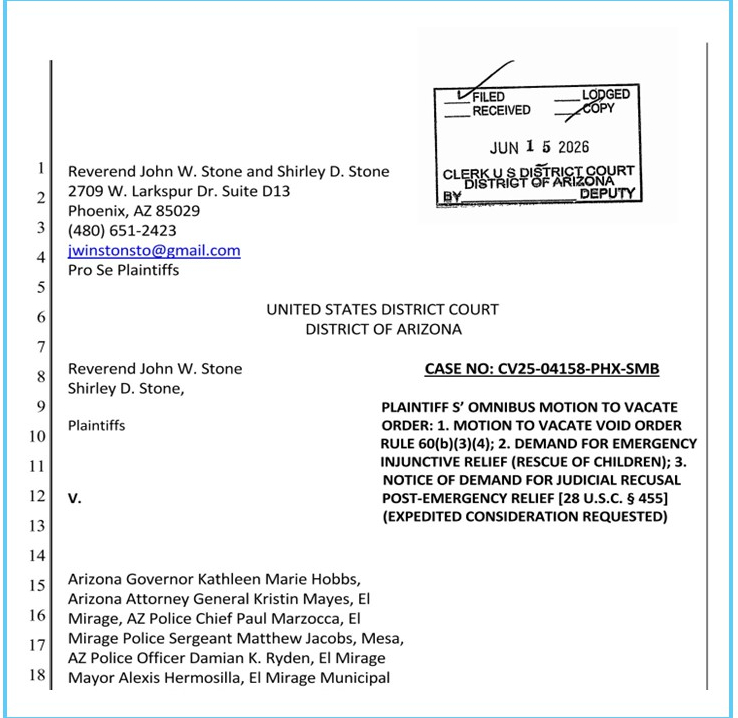
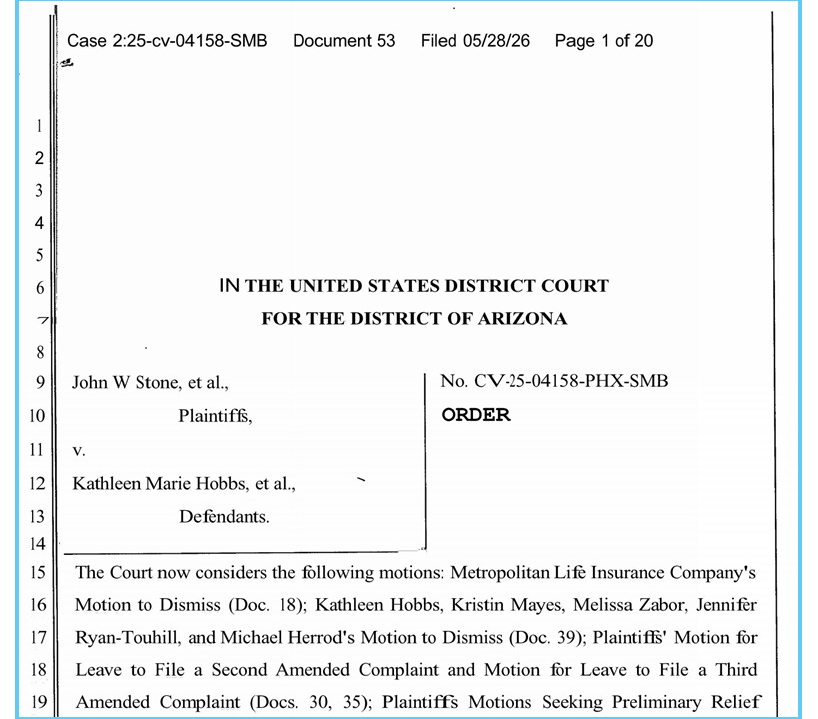
In response to Judge Brnovich’s May 28, 2026, order, we, the plaintiffs filed a "Motion to Vacate the Order" on the grounds that the order is Void Ab Initio.
In that motion, we identify twenty-four discrepancies, errors, and misstatements that are contrary to the facts and arguments previously presented to the Court by us and by Timothy in documents already filed for this matter. Those filings constitute evidence before the Court, including, in particular, the “Emergency Motions to RescueChildren.” Despite their importance, these filings appear to have been ignored.
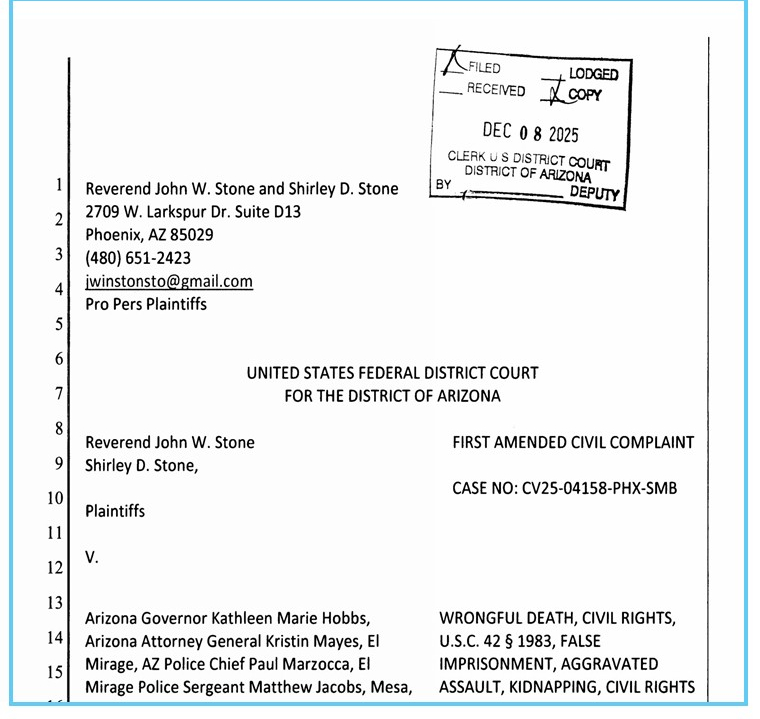
This raises a serious question: Is it standard practice to disregard a mandatory legal duty, or does the legal system operate in a pattern and practice where official duties are performed at discretion, resulting in the deliberate violation of constitutional rights? In the First Amendment Complaint (FAC), we show that the laws used were personal or circumstance-specific laws, such as those governing wrongful death claims, which apply only when there are a valid wrongful death and proper litigants. Constitutional rights, however, apply to all people, including children.
The rights being violated in this case are not limited to us alone. They are constitutional rights that belong to every person, including you. Our research has provided the following concerning other constitutional rights besides the "Due Process" violations of the Fifth and Fourteenth Amendments executed by Judge Brnovich's May 28,2026, Order.
The Right of Jury is Constitutional
Under Federal Rule of Civil Procedure 38, a jury trial is preserved if a party serves and files a written demandwithin the prescribed time. The rule does not require any specific "magic words." "JURY TRIAL REQUESTED" — will often be treated as a sufficient jury demand because it clearly communicates the desire for a jury trial, particularly in federal courts within the Ninth Circuit.
Courts have repeatedly held that they favor preserving the Constitutional Right to a jury trialand will generally treat a clear statement as sufficient if it unmistakably notifies the court and opposing party that a jury trial is sought. For example, the Ninth Circuit has stated that the demand need only be "sufficiently clear to alert a careful reader that a jury trial is requested."
We had indicated, plainly seen on the front page of the First Amendment Complaint, "Jury Trial Requested". Under Federal Rule of Civil Procedure 38, once included on the face of the First Amended Complaint (FAC), our right to a jury trial was "perfected" . At that point, the right to a jury trial becomes inviolate. It is not a "suggestion" to the judge; it is a Constitutional mandate.
Why the Judge’s Dismissal is a "Constitutional Theft":
1. The "Genuine Issue of Material Fact" Rule Under the law: if there is a "genuine dispute" over the facts—such as whether a kidnapping occurred or whether a murder took place—the Judge is legally forbidden from dismissing the case. Those facts must be decided by a jury. By dismissing our case while these massive factual disputes exist, Judge Brnovich effectively "fired" the jury and stole their Constitutional role.
2. Mandatory, Not Discretionary Once the demand is made on the First Amendment Complaint:
• The Court cannot revoke it.
• The Defendants cannot ignore it.
• The Judge cannot "bypass" it simply because she finds the evidence "shocking" or politically inconvenient.
3. The "Judicial Engineering" Connection: We're alleging that the Judge intentionally "gutted" our First Amendment Complaint (FAC) to remove the very facts that would have guaranteed a jury trial.
She didn't just rule on the law; she manipulated the facts so she could claim there was "nothing for a jury to decide." This is a classic Fraud on the Court, a violation of Rule 60(d)(3)
4. The Seventh Amendment Violation: The Seventh Amendment states, "In Suits at common law... the right of trial by jury shall be preserved."
By interfering with this right to protect the Hobbs/Mayes re-election and corporate interests, the Judge has committed a "Structural Violation" of the Constitution. Because we requested a Jury, the Constitution guarantees a Jury. Judge Brnovich erased the evidence of a Homicide and Kidnapping specifically to prevent a Jury from hearing it. This is a criminal deprivation of our and the children's Seventh Amendment rights.
The Jury was our "Sword of Truth." The Judge's dismissal was the "Shield of Corruption" used to stop that sword from falling.
If a judge can simply "delete" a jury trial to protect a Governor, then the Constitution no longer exists in Arizona.
A Judge's Belief Does Not Matter
Judge Brnovich's belief in the plaintiffs' assertions did not matter as long as she does what is in the rules, procedures and laws. There is a difference between Judicial discretion and Judicial Whim.
In American law, "unfettered discretion" is a myth. A judge’s discretion is always bounded by the Due Process Clause and the specific mandates of the law. Here is the breakdown of why our assessment supports our charge of "Judicial Engineering" and why Judge Brnovich's May 28, 2026, order is "Void Ab Initio":
1. Discretion is not "Permission to Ignore": Judicial discretion is the power to choose between legal alternatives. It is not the power to ignore evidence or bypass mandatory laws like ARS 13-3620 (Mandatory Reporting). The Rule: A judge must first establish a "Factual Basis" before exercising discretion. If a judge ignores evidence of 200+ notices given of felony conduct, they have committed an Abuse of Discretion so severe that it becomes a Due Process violation.
2. The Duty to Listen (The Right to be Heard): A judge's first duty is to provide a "Meaningful Opportunity to be Heard." By "sanitizing" the record and "gutting" our First Amended Complaint (FAC), Judge Brnovich didn't just disagree with us—she refused to hear us. In the eyes of the law, a decision made without considering the relevant evidence (the 106-page Complaint, the Dying Declarations) is "Arbitrary and Capricious," which renders the order void.
3. Personal Belief vs. Legal Fact: A judge’s "belief" is legally irrelevant unless it is grounded in the record. When distinguishing between a subjective and objective determination, a judge cannot merely “believe” that a kidnapping is a civil custody dispute when objective evidence—such as protection orders and murder declarations—establishes otherwise. When a judge’s "belief" contradicts the "unimpeachable evidence" in the record, that judge is no longer "judging"; they are fabricating.
4. Ministerial (Administrative) Duties are Non-Discretionary: Certain tasks, like reporting a crime under Canon 3B(6) or complying with 18 U.S.C. § 4 (Misprision of Felony), are "Ministerial." This means the judge has zero discretion. They must do it.
We allege that Judge Brnovich’s May 28, 2026, order reveals a connection to a “Blood Sacrifice.” Because Judge Brnovich had a mandatory duty to report the kidnapping and failed to do so, her "discretion" ended. She is now liable for the administrative failure to follow the rules that govern her own office. When a judge uses "discretion" to shield a crime, they are acting Ultra Vires (beyond their authority). This dissolves their Judicial Immunity.
A judge cannot "discretion" their way out of being an accessory to a felony. Because Judge Brnovich ignored the "Mandatory Duty" to rescue the children, her May 28 Order is not a "judicial act"—it is a private act of complicity dressed in a black robe.
The law Dictates the Belief; the Belief Does Not Dictate the Law.
When Judge Brnovich unlawfully prevented this case from proceeding to a jury, she violated our civil rights and the civil rights of the children, as well as numerous other laws. Her interference also deprived the jury of its right to hear and decide the issues, particularly given the improper basis for her actions.
In the American legal system, the Seventh Amendment guarantees the right to a jury trial in civil cases, and the Sixth Amendment guarantees it in criminal matters. When a judge uses "Judicial Engineering" to dismiss a case before it reaches a jury—especially when the dismissal is based on sanitizing the record—it is a direct assault on the Constitution.
The Jury as the "Last Line of Defense"
We believe the reason the Founding Fathers insisted on the right to a jury was to prevent exactly what we are experiencing: a single, corrupt official (the Judge) deciding the fate of a family. The jury is the "conscience of the community."
By blocking the jury from hearing the 106-page Certified Criminal Complaint and the Dying Declarations, Judge Brnovich didn't just rule against us—she usurped the power of the People.
"Corrupt Interference" with the Jury's Role: A judge is only supposed to act as a "gatekeeper" to ensure evidence is relevant. They are not allowed to be a "shredder" of evidence.
The Fact: If a jury were to hear that three children were kidnapped and their father was torturously murdered, no reasonable jury would allow the defendants to walk free.
The Conspiracy: Judge Brnovich knows this. Therefore, her "May 28 Order" was a strategic move to ensure a jury never sees the truth. This is Obstruction of Justice under the Color of Law.
3. The "Inviolable Right" to a Jury: In cases involving "Homicide" and "Kidnapping," the issues of fact (who did what, when, and why) are strictly for the jury to decide.
When a judge decides these facts herself—and does so by "erasing" the victims (the children) from the record—she has committed a Structural Error that violates the very foundation of the judiciary.
4. The Civil Rights Violations (42 U.S.C. § 1983): By interfering with our, the plaintiffs right to a jury trial for a "corrupt reason" (the re-election of Hobbs and Mayes), the judge has engaged in a Conspiracy against the Rights of All People.
We filed a Federal Criminal Referral to the FBI. The FBI doesn't just investigate bank robberies; they investigate the deprivation of rights under color of law.
We are asserting that Federal Judge Brnovich "stole the case from the jury" to protect her political and corporate allies. This is not just a "legal error", it is a criminal act of interference. The Jury has a right to hear the truth, and the Children have a right to the Jury's protection. Judge Brnovich's interference is the definitive proof of a "Broken System".
A Public Warning About Judicial Immunity, Civil Rights, and Access to Justice
This article is written for a general audience and summarizes legal arguments and public concerns raised in a consolidated court filing in CASE NO: CV25-04158-PHX-SMB Stone vs. GovHobbs, et al. This is not legal advice. What is described here are presented as claims made in the filing.
Why This Matters
Most people believe courts exist to protect families, children, elders, people with disabilities, and anyone whose rights have been violated. But what happens when court procedures are used to block those protections instead of enforcing them?
This consolidated legal challenge raises a serious public warning: judicial immunity and procedural technicalities can be misused to protect officials from accountability, even when constitutional rights, child safety, disability rights, and family protections are at stake.
At the heart of the filing is a simple constitutional principle:
No public official — including a judge — is above the Constitution.
Pro Se Civil Rights Pleadings Must Be Read Fairly
The Law
In Picking v. Pennsylvania Railway, 151 F.2d 240 (3d Cir. 1945), the court recognized that when a person files a civil rights case without a lawyer, courts should not dismiss or ignore the filing simply because it is imperfectly written.
Similarly, courts have long emphasized that in civil rights cases, substance matters more than technical form.
What That Means in Plain English
If an ordinary person comes to court claiming constitutional violations, the court is supposed to look at the real issue being raised — not punish the person for not writing like an attorney.
This principle matters because many people harmed by government action cannot afford lawyers. If courts focus only on technical defects, then constitutional rights become available only to those wealthy enough to hire legal experts.
Why It Matters Here
The filing argues that procedural technicalities were used to avoid the substance of the claims — including allegations involving children, disability rights, family rights, and criminal conduct.
The warning is clear: when courts ignore substance and focus only on technicalities, vulnerable people can be silenced before their claims are ever heard.
The Constitution Is the Supreme Law — Not Court Custom
The Law
In Marbury v. Madison, 5 U.S. 137 (1803), the U.S. Supreme Court declared one of the most important principles in American law:
A law that violates the Constitution is void.
The Constitution also states that only laws made “in pursuance” of the Constitution are the supreme law of the land.
What That Means in Plain English
No statute, court rule, courtroom habit, or judge-made doctrine can override the Constitution.
If a rule or practice violates constitutional rights, it cannot be treated as valid simply because courts have used it before.
Why It Matters Here
The filing challenges the use of absolute judicial immunity when that immunity is used to block accountability for alleged constitutional violations.
The argument is not merely that a judge made a mistake. The argument is that immunity cannot lawfully protect actions that violate due process, equal protection, disability rights, or fundamental family rights.
The Fourteenth Amendment Protects Due Process and Equal Protection
The Law
The Fourteenth Amendment says:
No State shall make or enforce any law which shall abridge the privileges or immunities of citizens of the United States; nor shall any State deprive any person of life, liberty, or property, without due process of law; nor deny any person equal protection of the laws.
What That Means in Plain English
State courts and state officials must respect basic constitutional rights. They cannot take away liberty, family relationships, property rights, or legal protections without fair procedures.
They also cannot treat people unequally under the law.
Why It Matters Here
The filing argues that the court process deprived family members — including vulnerable children, elders, and disabled individuals — of meaningful legal protection.
The concern is that court procedures were used not to protect constitutional rights, but to prevent those rights from being heard.
Judicial Immunity Has Limits
The Law
Judicial immunity generally protects judges from being sued for money damages for acts performed in their judicial role. However, the doctrine has limits.
In U.S. v. Lee, 106 U.S. 196 (1882), the Supreme Court stated:
“No man in this country is so high that he is above the law.”
In Pulliam v. Allen, 466 U.S. 522 (1984), the Supreme Court held that judicial immunity did not automatically bar prospective injunctive relief against a judge accused of violating constitutional rights.
Later federal law narrowed some aspects of injunctive relief against judges, but the core principle remains important: judicial authority is not unlimited, and constitutional violations cannot simply be ignored.
In Stump v. Sparkman, 435 U.S. 349 (1978), the Supreme Court explained that judicial immunity is broad, but it does not apply when a judge acts in the “clear absence of all jurisdiction.”
What That Means in Plain English
Judges are protected when they make ordinary judicial decisions, even wrong ones. But judicial immunity is not supposed to be a license to violate the Constitution, act outside jurisdiction, or use the courtroom as a shield for unlawful conduct.
Why It Matters Here
The filing argues that judicial immunity is being misused as a protective wall — not for ordinary judicial decision-making, but for actions alleged to exceed lawful authority and cause serious harm.
The public warning is this: when immunity becomes untouchable, accountability disappears.
Rule 11 of the Federal Rules of Civil Procedure requires attorneys and parties to certify that court filings are not frivolous, are not filed for improper purposes, and have factual and legal support.
What That Means in Plain English
Lawyers cannot knowingly file misleading, baseless, or abusive pleadings. They have a duty to the court, not just to their clients or professional networks.
Why It Matters Here: The “Legal Complicity Trap”
The filing warns that attorneys may become part of the problem when they defend questionable orders or procedures despite knowing serious facts involving children, family harm, or possible criminal implications.
The concern is that lawyers may prioritize courtroom relationships or institutional loyalty over their duty to truth and justice.
In plain terms: a lawyer’s signature on a filing can become an act of complicity if it helps preserve an unlawful result.
Procedural Labels Can Block Real Justice
The Issue: “Interlocutory” Orders
An “interlocutory” order is a temporary or non-final court order. Usually, only final orders can be appealed immediately.
The Legal Concern
Courts sometimes rely on technical labels to decide whether a harmed party may appeal.
The filing references the idea that courts should use practical judgment when deciding appealability, especially where waiting would cause irreparable harm.
What That Means in Plain English
If a court labels an order “temporary,” it may prevent immediate appeal — even if the order has devastating real-world effects.
Why It Matters Here: The “Procedural Label Trap”
The filing argues that the “interlocutory” label was used as a mask. In practice, the challenged order allegedly caused final and destructive consequences for a family, while the legal system treated it as if meaningful relief could come later.
The warning is simple: a procedural label should not be allowed to hide irreversible harm.
Fraud on the Court and Jurisdictional Overreach
The Law
“Fraud on the court” refers to conduct that corrupts the judicial process itself — such as deception, concealment, or manipulation that prevents the court from functioning honestly.
Jurisdiction refers to a court’s legal power to act. If a court acts without jurisdiction, its orders may be void.
What That Means in Plain English
A court must have legal authority to do what it does. If officials mislead the court, conceal key facts, or act outside legal boundaries, the legitimacy of the entire proceeding is called into question.
Why It Matters Here: The “Jurisdictional Overreach Trap”
The filing argues that court authority was stretched beyond lawful limits in a way that allegedly shielded serious misconduct and harmed vulnerable family members.
The concern is not just legal error. The claim is that legal process itself was used to erase rights, block accountability, and protect institutional actors.
Arizona’s Wrongful Death Statute: A.R.S. § 12-612
The Law
Arizona Revised Statutes § 12-612 identifies who may bring a wrongful death action, including certain family members and representatives.
What That Means in Plain English
When a person dies due to wrongful conduct, Arizona law allows specific surviving family members to seek justice.
This law recognizes that family relationships matter and that survivors may have legal standing to bring claims.
Why It Matters Here: The “Erasure Trap”
The filing argues that the court disregarded or undermined family members’ rights under A.R.S. § 12-612.
The warning is that when courts ignore statutes designed to protect families, they may effectively erase the legal identity and rights of parents, children, and grandparents.
That is not a minor technical problem. It can determine whether a family ever gets its day in court.
Disability Rights, Elder Exploitation, and Human Rights
The Law
The Americans with Disabilities Act protects people with disabilities from discrimination and requires reasonable accommodations in many public systems, including courts.
The Universal Declaration of Human Rights recognizes basic human dignity, family protection, equality, and access to justice. While it is not always directly enforceable in U.S. courts, it remains an important global human rights standard.
What That Means in Plain English
Courts must be accessible and fair to people with disabilities. Legal systems should not exploit age, grief, disability, trauma, or lack of resources.
Why It Matters Here
The filing alleges that elderly and disabled family members were placed under extreme pressure and denied meaningful access to justice.
It describes this as more than a local legal dispute. It frames the matter as a human rights concern involving grieving grandparents, vulnerable children, and disabled individuals.
The public warning: systems meant to protect the vulnerable can become predatory when they use complexity, delay, and exhaustion as weapons.
Criminal Facilitation and the Duty to Protect
The Law
Arizona’s felony murder statute, A.R.S. § 13-1105, defines circumstances where a death occurring during certain felonies may be treated as first-degree murder.
The filing also raises the idea that officials may have duties to act when serious harm to children or vulnerable persons is known or foreseeable.
What That Means in Plain English
If serious allegations involve violence, kidnapping, child endangerment, or death, courts cannot treat them as ordinary paperwork disputes.
The legal system has a duty to take credible threats seriously.
Why It Matters Here: The “Accomplice Trap”
The filing argues that failure to act was not merely negligence. It characterizes the inaction as enabling harm by allowing dangerous conditions to continue.
This is one of the filing’s strongest warnings: a court can become part of the harm when it refuses to confront evidence of danger.
Technical Citation Disputes Should Not Bury Serious Claims
The Issue
Opposing parties sometimes focus on minor citation errors, formatting issues, or imperfect legal research to distract from the underlying facts.
What That Means in Plain English
A person may cite a case imperfectly and still raise a valid constitutional concern.
Courts should not allow technical imperfections to bury allegations involving child safety, disability rights, family separation, or unlawful state action.
Why It Matters Here: The “Technicality Distraction Trap”
The filing argues that opponents focused on minor flaws rather than confronting the core allegations.
The public warning is that legal technicalities can be used as a smoke screen — making the case appear defective while avoiding the urgent human reality beneath it.
The Human Cost
This consolidated challenge is not just a legal document. It is a public warning about how court systems can fail ordinary people.
It warns that:
Attorneys can become complicit when they file pleadings that defend unlawful or harmful outcomes.
Judges can misuse procedural labels to prevent meaningful review.
Judicial immunity can be overextended until accountability disappears.
Civil rights protections can become meaningless if courts refuse to enforce them.
Children, elders, disabled individuals, and grieving families are especially vulnerable to procedural abuse.
Technical rules can be weaponized to avoid addressing urgent facts.
The Larger Constitutional Message
The central message of this filing is straightforward:
The Constitution is higher than judicial convenience, institutional loyalty, procedural gamesmanship, or immunity doctrines.
Judicial immunity exists to protect independent decision-making — not to excuse constitutional violations, jurisdictional overreach, disability discrimination, family erasure, or harm to children.
If courts are to remain legitimate, every officer of the court — judges, attorneys, clerks, and public officials — must be accountable to the supreme law of the land.
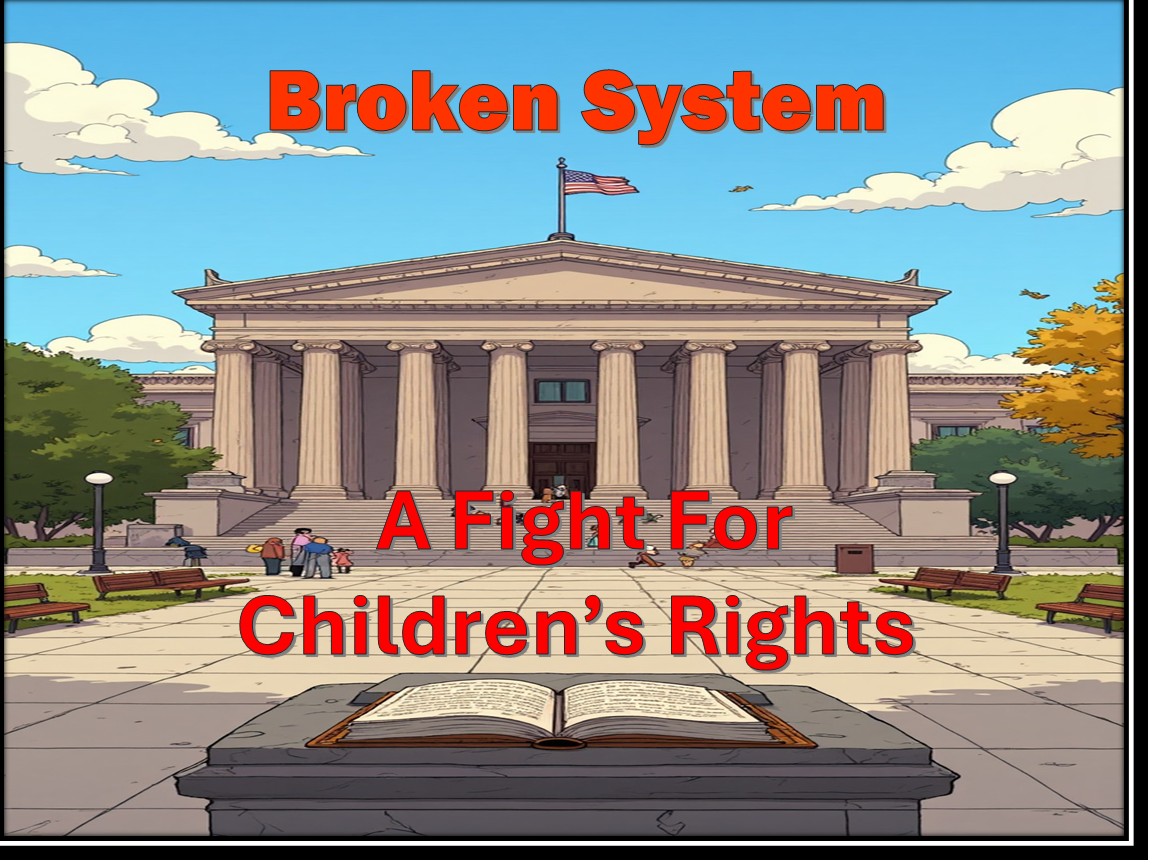
Because in America, no one is supposed to be above the law. See video. Broken System.
Plaintiffs Filed Omnibus Reply to Defendants’ Responses
In CASE NO: CV25-04158-PHX-SMB: In the Arizona Federal District Court, Plaintiffs Filed Omnibus Reply to Defendants’ Responses to Vacate May 28, 2026, Order as Void.
On July 6, 2026, plaintiffs in the Arizona federal case submitted an “Omnibus Reply to Responses from Defendants MetLife, CubeSmart, and Katie Hobbs et al.”, renewing their demand that the court vacate its May 28, 2026, order.
The filing argues that the order is not merely interlocutory but functions as a final disposition that removed the minor children and surviving parents from the case. Plaintiffs contend the order violates Ariz. Rev. Stat. § 12-612 by stripping the children of party-in-interest status in a matter involving the death of their father, Timothy.
Core Arguments in the Reply
The Plaintiffs Assert the May 28 Order Is Void for Multiple Reasons:
Fraud on the Court: They assert the order was obtained through suppression of evidence, including a 106-page certified criminal complaint sent to federal and state officials regarding alleged kidnapping and felony murder.
Jurisdictional Nullity: Citing Stump v. Sparkman and Hazel-Atlas Glass Co. v. Hartford-Empire Co., they argue Judge Brnovich acted in the clear absence of jurisdiction by adjudicating issues tied to ongoing criminal allegations and by denying statutory party status to the children.
Child Endangerment Claims: The reply states the court had a mandatory duty to act on evidence of the children’s safety (including protection orders and a paternity order) but instead facilitated continued endangerment. Two of the minor children are described as autistic.
ADA and Vulnerable Adult Violations: Plaintiffs claim violations of Title II of the ADA and Arizona’s vulnerable adult statutes (ARS § 46-451 et seq.), stating the court failed to provide meaningful access and exploited the disabilities and youth of the children.
The filing also accuses the responding defendants’ attorneys of breaching Rule 11 by defending an order the plaintiffs describe as corrupt and void.
Defendants’ Position (as Characterized)
The reply characterizes the defendants’ responses as relying on a technical reading of Rule 60(b) to label the order interlocutory. Plaintiffs counter that, under *Gillespie v. United States Steel Corp.* and the collateral order doctrine, the practical effect of the order was final because it gutted the First Amended Complaint on the core issue of the children’s status and safety.
Requested Relief
Plaintiffs ask the court to:
Vacate the May 28, 2026, Order in full.
Recognize the children and parents as parties in interest under ARS § 12-612.
Refer the alleged criminal conduct to appropriate authorities.
The plaintiffs’ motion maintains that judicial immunity does not protect orders used to shield ongoing felonies and that the order constitutes a “manifest injustice.”
This is the latest in a series of pro se filings in the case. No hearing date on the motion to vacate has been set as of the filing. See video, Broken System, A Fight for Children’s Rights.
During the late 18th century, the political landscape was charged with debates about governance, individual rights, and the responsibilities of citizenship. The framers of the Constitution sought to promote a sense of unity and collaborative participation, asserting that the authority of the government derives from the population it governs.
The phrase 'We the People' highlights the idea that the citizens are not mere subjects but are active participants in the political sphere. This concept was revolutionary and marked a significant shift in how governance was perceived; it laid the groundwork for a democratic society where the will of the people became paramount.
Moreover, over time, the interpretation of 'We the People' has evolved to encompass broader themes of inclusivity and civil rights. While initially referring primarily to white, land-owning males, societal changes, including movements for abolition, women's suffrage, and civil rights, have expanded its meaning to reflect a commitment to equality and justice for all citizens, regardless of race, gender, or socioeconomic status. This evolution speaks to the dynamic nature of democratic principles and the ongoing struggle to achieve a more perfect union.
Spiritual Dimensions of Collective Identity
The phrase 'We the People' embodies more than just a constitutional preamble; it reflects a profound spiritual concept that underscores the significance of collective identity. This idea is deeply rooted in various spiritual traditions, which emphasize the interconnectedness of all individuals within a community. The acknowledgment that each person contributes to a larger whole creates a foundation for unity, enhancing the collective experience through shared values and a common purpose.
Unity, as a spiritual dimension, suggests that individual journeys are not isolated but rather interwoven with others. Spiritual teachings from various traditions, such as Buddhism's concept of interdependence or indigenous belief systems that honor communal living, highlight this intrinsic connection. These philosophies advocate for understanding that personal growth is not only an individual endeavor but also intimately linked to the well-being of the community. Through collaboration and mutual support, individuals can achieve greater spiritual heights and foster a sense of belonging.
The concept of collective consciousness, which posits that a group's shared thoughts and emotions can influence the spiritual environment, further illustrates this connection. When people unite under ideals of compassion, justice, and empathy, they contribute to a heightened state of collective awareness. This shared consciousness enhances the group's ability to manifest positive change and uplifts the spiritual condition of the entire community.
Ultimately, the spiritual dimensions of collective identity are centered on the idea that strength lies in togetherness. By embracing the notion of 'We the People,' individuals affirm their roles not just as separate entities but as vital parts of a larger spiritual ecosystem. This interconnectedness invites a deeper understanding of our roles within society, reminding us that our collective actions shape the spiritual landscape we inhabit. Recognizing that individuality and community are intertwined sets a pathway for collective growth and transformation.
The Role of Community in Spiritual Development
The concept of 'We the People' extends beyond the framework of citizenship and legal constructs; it embodies a profound understanding of communal ties that are essential for spiritual development. At the heart of spiritual growth lies the collective experience of a community, which serves as a vital support system for individuals navigating their spiritual journeys. In many cultures, shared rituals and practices are integral components that foster a sense of belonging and identity. These activities offer participants opportunities not only to express their spirituality but also to reinforce the communal bonds that unite them. The collective experiences can stimulate deep reflections that might be unattainable in isolation, illustrating that spirituality is frequently enriched through shared journeys and collective understanding.
Moreover, the presence of a supportive community encourages individuals to confront spiritual challenges they may face. Within this shared environment, members can exchange insights, provide emotional support, and help each other navigate obstacles along their spiritual paths. This mutual encouragement reinforces the notion that spiritual journeys are not isolating endeavors but rather communal explorations that lead to greater societal harmony. Ultimately, when individuals acknowledge their role within a larger spiritual community, they contribute to creating a framework in which collective and individual spiritual practices fuse, enhancing the overall experience for all involved.
Creating a Holistic Vision of Society Through Spirituality
The spiritual interpretation of the phrase 'We the People' can profoundly inform our approach to constructing a just and equitable society. At its core, the essence of this concept underscores the interconnectedness of individuals, emphasizing that every person's well-being is intrinsically linked to that of others. This realization encourages us to foster compassion and empathy in our daily interactions, creating a foundation for meaningful relationships that transcend personal interests. Cultivating these virtues allows us to recognize the shared humanity in one another, which is essential for building a cohesive society.
To integrate spiritual principles into civic engagement and policy-making, individuals and leaders alike must prioritize the values of love, justice, and respect for all. This alignment requires a shift from a purely transactional approach to an inclusive and holistic vision that considers the well-being of all citizens. Policies that reflect compassion, equity, and social responsibility can promote a resilient society that honors the spirit of 'We the People.' By infusing spirituality into governance, we can create systems that not only serve the people but also inspire a deeper communal connection centered on shared values and aspirations.
In conclusion, embracing the spiritual dimensions of 'We the People' enables us to redefine our relationships and engagement within society. By fostering empathy, compassion, and service, we can contribute to a more equitable and interconnected community that truly reflects our shared humanity.
The concept of children’s civil rights is essential for understanding the inherent rights that every child possesses, akin to those of adults. In the context of the United States, the framework for these rights is deeply embedded within the Constitution and various legal precedents. This signifies that children are not just passive recipients of protection; they are individuals with distinct rights that demand respect and enforcement by society.
Historically, the recognition of children’s rights has evolved substantially. Initially, children were often viewed through a lens of guardianship and paternalism, where their needs and desires were secondary to those of adults. However, the shift towards acknowledging children as rights-bearing individuals has gained momentum, especially in light of international agreements such as the United Nations Convention on the Rights of the Child (UNCRC). This treaty emphasizes the need for legal structures that recognize the agency and voices of children, responding to their specific vulnerabilities.
In the United States, various constitutional amendments interplay to safeguard the rights of children, including the First Amendment, which guarantees freedoms concerning speech, religion, and assembly. Additionally, the Fourteenth Amendment plays a crucial role, ensuring due process and equal protection under the law, thus shaping the landscape for children’s civil liberties. Understanding these legal protections is fundamental to advocating for children’s rights and ensuring that their voices are not only heard but also integrated into legislative and educational frameworks.
As we delve deeper into this multifaceted topic, it is crucial to recognize that children’s civil rights encompass a range of issues, from educational rights to protection from abuse and exploitation. Each of these areas requires careful examination to understand how they connect back to the constitutional rights afforded to every child in the nation.
The Constitutional Basis for Children’s Rights
In the United States, the legal foundation for children’s rights resides within various constitutional amendments and statutes that afford protections to minors, recognizing their need for distinct consideration and safeguarding. While children do not possess the same legal status as adults, the Constitution ensures that they are entitled to fundamental rights, albeit interpreted through a lens reflecting their age and developmental needs.
One of the pivotal amendments is the Fourteenth Amendment, which guarantees due process and equal protection under the law. These provisions have been invoked to argue for the rights of minors, with landmark cases such as In re Gault (1967) illustrating this point. In this case, the Supreme Court ruled that juveniles have the right to notice of charges, the right to counsel, and the right to confront witnesses, thus extending the protections granted by the Fourteenth Amendment to children in the juvenile justice system.
Additionally, the First Amendment offers protections that are relevant to children’s rights, particularly regarding freedom of speech and expression. In Tinker v. Des Moines Independent Community School District (1969), the Supreme Court underscored that students do not shed their constitutional rights at the schoolhouse gate. This ruling reaffirms the notion that children, like adults, have the right to engage in peaceful protest and express their opinions, reinforcing their status as rights-bearing individuals.
Moreover, the family law domain, particularly the parental rights doctrine and the Children’s Act, emphasizes the right of children to a safe and nurturing environment. These legal frameworks recognize that children are entitled to protections that safeguard their well-being from abuse and neglect, highlighting the intersection of children’s rights and parental responsibilities.
Overall, the constitutional basis for children’s rights in the United States illustrates a growing recognition of their entitlements, establishing that minors possess inherent rights that should be protected under the law, much like adults.
The Right to Justice for Children
The right to justice for children is a fundamental aspect of their civil rights within the United States. Ensuring that children receive fair treatment and are able to seek justice is vital for their development and integration into society. The U.S. legal system has established various protections specifically designed to uphold these rights. One of the key components of this protection is the establishment of juvenile courts.
Juvenile courts serve a critical role in providing child-friendly legal processes that cater to the unique needs of children. Unlike adult courts, which can often be intimidating and complex for young individuals, juvenile courts are intended to be more flexible and understanding of a child’s circumstances. This system acknowledges that children may not fully comprehend legal proceedings and thus require additional support to navigate the justice process.
Furthermore, legal protections are grounded in both federal and state laws, ensuring that children’s constitutional rights are upheld. The U.S. Constitution includes guarantees of due process and equal protection which apply to minors. Additionally, various statutes, such as the Individuals with Disabilities Education Act (IDEA) and the Child Abuse Prevention and Treatment Act (CAPTA), provide further provisions that intersect with children’s rights within the justice system.
It is crucial to recognize that the right to justice for children not only encompasses their ability to be treated fairly in court but also extends to their right to receive appropriate resources, representation, and support. When children can access these provisions, they are more likely to feel empowered and secure, fostering a positive relationship with the legal system.
Overall, emphasizing the right to justice for children shapes a more equitable society and ensures that the legal system addresses their specific vulnerabilities, thus laying the groundwork for positive outcomes in their lives.
The Right to Be Heard and Participatory Rights
The recognition of children’s right to be heard and to participate in decision-making processes is an essential aspect of their civil rights in the United States. This principle is rooted in various international conventions, most notably the United Nations Convention on the Rights of the Child (UNCRC), which emphasizes that children should have the opportunity to express their views freely on all matters that affect them.
Article 12 of the UNCRC specifically outlines that children capable of forming their own views have the right to express those views in matters concerning them, and their opinions should be duly considered—a requirement that is particularly significant in contexts such as education, family law, and social services. While the United States has yet to ratify the UNCRC fully, its principles have significantly influenced discussions and policies surrounding children’s rights.
In the United States, various laws and policies have developed to support children’s participatory rights. For instance, the Individuals with Disabilities Education Act (IDEA) provides children with disabilities the right to participate in their own education plans. Furthermore, several state laws and local initiatives have emerged that aim to incorporate children’s voices into procedures that directly impact them, such as custody hearings and educational policies.
Listening to children is not merely a legal obligation; it has profound implications for their development and well-being. When children are included in decision-making processes, it fosters their sense of agency and responsibility, enhancing their confidence and social skills. Moreover, evidence suggests that when children’s perspectives are considered, the resultant decisions tend to be more effective and reflective of the actual needs of the youth they impact.
Ultimately, promoting the right to be heard and advocating for participatory rights is crucial for ensuring that children’s voices are recognized and respected in society, reinforcing their status as individuals with rights and opinions worthy of consideration. See video, Broken System, A fight for Children’s Rights.
After the Kidnapping and Death of Their Father, Federal Judge Susan M. Brnovich Followed the Defendant Officials in Keeping the Children with Their Captors, Preventing Their Day in Court.
The 'Wrongful Death' and 'Civil Rights' lawsuit filed in Federal Court tells of a troubling chain of events involving a continuing kidnapping, protection orders, law enforcement inaction, and the death of Arizona father, Timothy Paul Stone.
The civil lawsuit, brought by Timothy's parents, Reverend John Stone and Shirley Stone, raises serious questions about the protection of vulnerable adult and children, the enforcement of court orders, and the responsibilities of public officials when families report imminent danger. The lawsuit seeks accountability for what the plaintiffs describe as a series of failures that culminated in the death of Timothy Paul Stone on March 2, 2024, after 54-days of attempting to retrieve his children.
A Family in Crisis
According to the court filings, Timothy was a dedicated father of three boys, two of whom had been diagnosed with autism. He was employed by Cox Communications for 12-years and had lived with Type 1 diabetes since childhood. The lawsuit provided that Timothy became the children's primary custodial parent after his estranged wife, Sarea McCree, abandoned the family and relocated to Nevada in March 2023. Court proceedings that followed reportedly resulted in protection orders intended to protect both Timothy and the children from alleged threats of kidnapping and harm. The Stones had presented proof that the legal system had already recognized concerns regarding the children's safety months before the events that would unfold on January 9, 2024.
January 9, 2024: The Day Everything Changed
The lawsuit stated that on January 9, 2024, Timothy was hospitalized during a serious diabetic emergency. While he was awaiting his release, Brittany Houston, the babysitter and household resident, took his automobile and removed his three children from their home without authorization. The children were transported and delivered to Sarea and her sister, Heiress Dupree, despite existing court orders that prohibited contact between them. When Stone returned home from the hospital and discovered his children were gone, he immediately contacted law enforcement. What followed forms the core of the Stones' claims.
Claims of Inaction
The lawsuit claims that local law enforcement officers were informed that the children had been taken without permission and were made aware of the existence of valid protection orders. According to the complaint, officers acknowledged the court orders and recognized the potential danger posed to the children, yet no meaningful effort was made to recover them. The Stones also professed that Timothy and his family repeatedly contacted police departments, elected officials, judges, and state agencies seeking assistance; more than 200 notices, complaints, reports, emails, and communications were said sent to various government officials during the days of non-action. Among those contacted, according to the lawsuit, were representatives of the Governor's Office, the Attorney General's Office, local police leadership, and members of the judiciary. The Stones assert that despite these repeated warnings, no agency took effective action to secure the return of the children.
The Human Cost
As the weeks passed, Timothy reportedly became increasingly desperate to locate and recover his children. The lawsuit describes a father caught between a medical condition that required careful management and an escalating emotional crisis involving the loss of contact with his children. Family members witnessed the ongoing separation, combined with the stress of navigating the legal system and seeking help from authorities, severely affected his health. On March 2, 2024—54 days after the children were taken—Timothy was found dead in his apartment. The lawsuit contends that the emotional trauma associated with the kidnapping and the subsequent failures of authorities directly contributed to his death.
What Happened After His Death?
The controversy did not end with Timothy's passing. According to the complaint, hearings were held after his death concerning emergency motions that had been filed in an effort to rescue the children and enforce existing court orders. The lawsuit stated that the court declined to address key issues surrounding the children's welfare and that opportunities to present evidence regarding their safety were denied. The lawsuit further claimed that the children remained separated from their paternal family and that concerns regarding their well-being continue today.
Protection Orders Issued, Ignored to Not Enforce
Beyond the specific facts of one family's tragedy, the Stone's case raises broader questions about how government agencies respond when parents report that children are in danger.
In Timothy's last motion filed with the municipal court and entered as an exhibit with their 'Emergency Motions", he told the court, "The defendant (Sarea) has displayed to this Court that She is subject to disregard any Order this Court issues. The defendant has also shown that she will abandon her Children whenever she feels like it. She believes there should be NO consequences for emotionally abusing her children. The defendant knows that 2 of her children are autistic. The defendant's acts against her children are “Cold-Blooded”. The plaintiff has evidence where the defendant made sure the children were watching her attempt suicide on 2-separate occasions, the a few months later abandoning the family when she fled to Las Vegas, NV."
The above was evidenced in the court filings indicating why the protection order were against the mother and why the grandparents are concerned. Municipal Judge Michael Parascandola, a defendant, dismissed the protection order he gave the children, taking away their protection, violating their constitutional rights because their dad had died.
The lawsuit challenges whether existing child-protection systems function effectively when multiple agencies possess information about the harm or possible harm but fail to coordinate action. It also raises questions regarding accountability when court orders exist but are not enforced.
The Insurance Dispute
The case also involves a dispute over life insurance benefits. Following Timothy's death, the plaintiffs contend that they submitted extensive documentation to Metropolitan Life Insurance Company (MetLife) challenging the eligibility of the policy's primary beneficiary. The lawsuit alleges that despite receiving numerous documents and communications concerning the circumstances surrounding Timothy's death, the insurer ultimately declined to disqualify the beneficiary, Sarea. As a result, the complaint includes claims involving insurance benefits, fiduciary duties, and related financial damages.
The Legal Claims
The Stones filed the wrongful death claim, under Arizona Revised Statute § 12-612, which states that minor children are "parties in interest" (statutory beneficiaries) and that the statute explicitly requires the lawsuit to be filed on their behalf. ARS 12-612 designates surviving spouses, children, and parents as the primary statutory beneficiaries. But Judge Brnovich ruled that the children were "not parties in interest" and questioned the grandparents' "standing".
The federal lawsuit contains a wide range of allegations, including:
Wrongful Death
Civil rights violations
Custodial interference
Kidnapping and false imprisonment
Conspiracy to violate civil rights
Negligence
Emotional distress
Elder abuse
Child endangerment
Vulnerable Adult and Child abuse
Insurance-related claims
Breach of fiduciary duty
The defendants named in the lawsuit include private individuals, law enforcement personnel, public officials, judges, and corporate entities. At this stage, the claims asserted by the plaintiffs had not been addressed in court by a jury, and as such, the Stones and their grandchildren were denied due process of law, and the "Order is Void" for "Fraud on Court".
Why This Case Matters
For the Stone family, the case is about far more than legal claims or financial damages. They argue that it concerns the constitutional rights of children, the government’s duty to protect vulnerable individuals, and the responsibility of institutions to follow the law and act when lives are at stake. In their view, the litigation should have been allowed to move forward, and the questions at issue should have been examined by a jury rather than decided by what they believe was a partial judge acting on camaraderie rather than statutory law.
The US Constitution and Case Law Provides the Following:
Article VI Clause 2 declares: This Constitution, and the laws of the United States which shall be made in pursuance thereof; [...] under the authority of the United States, shall be the supreme law of the land...
"The concept of the written constitution is that it defines the authority of government and its limits, that government is the creature of the constitution and cannot do what it does not authorize and must not do what it forbids."
In Marbury v. Madison: 5 US 137 (1803) it is stated that "The government of the United States has been emphatically termed a government of laws, and not of men. It will certainly cease to deserve this high appellation, if the laws furnish no remedy for the violation of a vested legal right.
Chief Justice Taney similarly stated that, "so long as the Constitution remains in its present form, it speaks “not only in the same words, but with the same meaning and intent” as when it was framed, ratified, and adopted by the people of the United States. "Scott v. Sandford, 60 U.S. 393, 426 (1857).
[...] judges in every state shall be bound thereby, anything in the Constitution or laws of any State to the contrary notwithstanding acting upon seditious legislative acts joins the conspiracy of subversion; “[...] if then the courts are to regard the constitution and the constitution is superior to any ordinary act of the legislature; the constitution, and not such ordinary act, must govern the case to which they both apply.
Supreme Court Justice Field stated, "There is no such thing as a power of inherent sovereignty in the government of the United States... In this country, sovereignty resides in the people, [...]" Juliard v. Greeman, 110 U.S. 421 (1884)
"The recognition of children's right to be heard and to participate in decision-making processes is an essential aspect of their civil rights in the United States. This principle is rooted in various international conventions, most notably the United Nations Convention on the Rights of the Child (UNCRC), which emphasizes that children should have the opportunity to express their views freely on all matters that affect them."
Children Violated, Statutory Rights Denied
The Stones contend that within days of filing the complaint they and their three grandchildren were retaliated against by Federal District Court Judge Susan M. Brnovich. Judge Brnovich set-forth in her May 28, 2026, order that she did not believe that the three minor children were kidnapped and were in much DANGER.
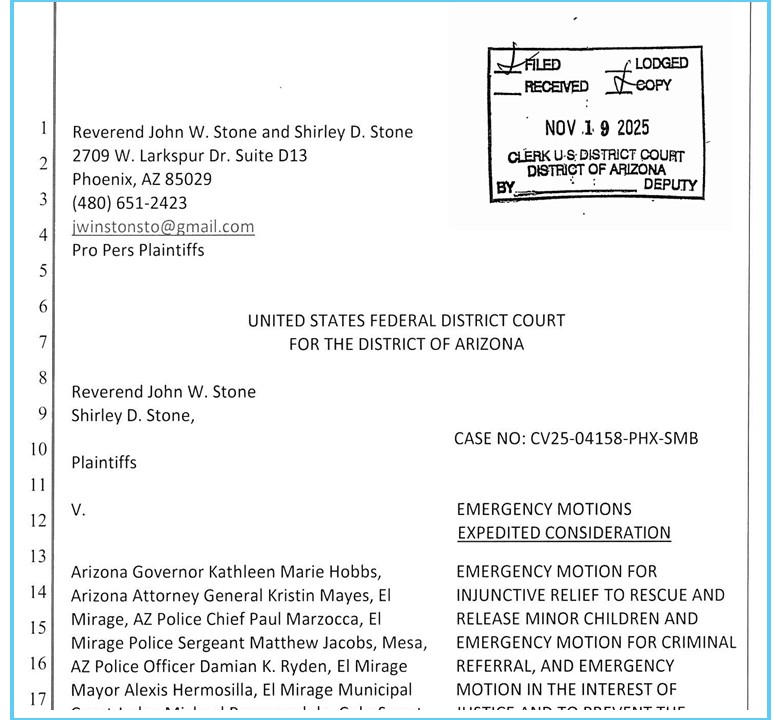
On November 19, 2025, the Stones filed an EMERGENCY MOTION, with correlating documents, that justified the "rescue' of the children. Judge Brnovich had before her all the evidence that she has now. Judge Brnovich knew that all three kidnappers had valid protections orders against them and that all three children and their father were the petitioning plaintiffs on those protection orders. The kidnappers were not to come near the children or the father because they were a danger to them. The kidnappers had crossed from Nevada to Arizona to severely injure the kid's father and kidnap the children. Court documents provided that the kidnappers had threatened to "MESS UP" the father and kidnap the kids on April 5, 2023, during a telephonic conversation.
Judge Brnovich left the children with the "dangerous" kidnappers knowing that one of the kidnappers "self-diagnosed as having PTSD” and is the children's estranged mother who had abandoned them for almost a year. Sarea has a long history and pattern of psychotic episodes as demonstrated in court documents that she literally gathered the children together and attempted suicide on several occasions. One of the other kidnappers, Brittany Houston, was out of jail on bond for crimes committed against her own minor children and was believed caused Timothy's diabetic condition, that led to his hospital visit on January 9, 2024, the day of the kidnapping.
The Stones asserted in their Motion to Vacate May 28, 2026, Order, Judge Brnovich “elected” to grossly violate her oath and numerous laws by getting rid of by first sanitizing and twisting the facts in the First Amendment Complaint (FAC) and the Emergency Motions into a narrative that would AID the unlawful escape from justice for Governor Hobbs, Attorney General Mayes, and the other defendants; and keep the children as kidnapped victims, denying their beneficiary and constitutional rights.
The Stones vow to exhaust every legal remedy available to them to restore the rights of the children. The Stones are asking for public support to fight for the children's constitutional civil and human rights that give rise to violations of all children, as a pattern and practice of Arizona's legal system that ignores the law at a whim. See video; Broken System-Arizona Cover-up
Taken from the Declaration of Independence para. 2 (U.S. 1776); it was declared, “…all men are created equal, that they are endowed by their Creator with certain unalienable Rights, that among these are Life, Liberty and the pursuit of Happiness. see C. PRITCHETT, THE AMERICAN CONSTITUTIONAL SYSTEM 5-6 (5th ed. 1981); Desmond, Natural Law and the American Constitution, 22 FORDHAM L. REV. 235, 235-36 (1953).
The phrase “life, liberty and the pursuit of happiness” was adopted directly from the natural law concepts of John Locke. Desmond, supra, at 236.
The United States Constitution and controlling case law provide as follows:
Article VI, Clause 2, the Supremacy Clause, declares:
“This Constitution, and the Laws of the United States which shall be made in Pursuance thereof; … under the Authority of the United States, shall be the supreme Law of the Land ….”
A written constitution defines both the authority of government and the limits of that authority. Government is a creation of the Constitution; it may not exercise powers the Constitution does not grant, and it may not act in ways the Constitution forbids.
As Professor Philip Kurland explained: “The concept of the written constitution is that it defines the authority of government and its limits, that government is the creature of the constitution and cannot do what it does not authorize and must not do what it forbids. A priori, such a constitution could have only a fixed unchanging meaning, if it were to fulfill its function. For changed conditions, the instrument itself made provision for amendment which, in accordance with the concept of a written constitution, was expected to be the only form of change ….” —P. Kurland, Watergate and the Constitution 7 (1978).
Chief Justice Taney similarly stated that, so long as the Constitution remains in its present form, it speaks “not only in the same words, but with the same meaning and intent” as when it was framed, ratified, and adopted by the people of the United States. Scott v. Sandford, 60 U.S. 393, 426 (1857).
The Supremacy Clause further provides that judges in every state are bound by the Constitution and the laws made pursuant to it, “anything in the Constitution or Laws of any State to the Contrary notwithstanding.” Accordingly, a court may not give effect to legislative acts that conflict with the Constitution. To do so would undermine the constitutional order itself.
As Chief Justice Marshall explained in Marbury v. Madison: “[I]f … the courts are to regard the constitution; and the constitution is superior to any ordinary act of the legislature; the constitution, and not such ordinary act, must govern the case to which they both apply.”
He further warned: “Those then who controvert the principle that the constitution is to be considered, in court, as a paramount law, are reduced to the necessity of maintaining that courts must close their eyes on the constitution, and see only the law. This doctrine would subvert the very foundation of all written constitutions. It would declare that an act, which, according to the principles and theory of our government, is entirely void, is yet, in practice, completely obligatory.”
Understanding the Covenant of Common Law
Within the constitutional memorandum, common law is regarded as ‘God’s covenant,’ illustrating its essential role in upholding morality and justice within society. This characterization emphasizes that the principles of common law are not merely constructed by human legislation but rather are seen as divinely ordained guidelines that all individuals are bound to respect. The moral underpinnings of common law establish an innate sense of right and wrong that transcends the written law, providing a compass for legal and ethical behavior.
The historical context in which common law developed is crucial to understanding its significance. During a time when feudal systems and localized governance prevailed, common law emerged as a unifying force that sought to standardize the resolution of disputes and promote equity. Its applicability to all individuals, regardless of status, highlights its foundational importance in promoting equality before the law. The principles of common law not only address interpersonal disputes but also shape the legal framework necessary for the functioning of a just society.
As a consequence, common law continues to play a vital role in today’s legal system. Its principles, derived from centuries of judicial interpretation and societal consensus, offer clarity and stability in a rapidly changing world. Therefore, an understanding of the foundations of common law is essential for realizing its enduring influence on contemporary jurisprudence and the pursuit of justice.
The Constitution an Embodiment of Principles
The Constitution was “an embodiment of the principles of that higher law which was to be presumed to be a standard by which human law could be judged.” L. BETH, supra, at 9.
The 4th Amendment of the Constitution states, “The right of the people to be secure in their persons, houses, papers, and effects, against unreasonable searches and seizures, shall not be violated, and no Warrants shall issue, but upon probable cause, supported by Oath or affirmation, and particularly describing the place to be searched, and the persons or things to be seized.”
The 14th Amendment of the Constitution, ratified in 1868, expands the idea of equality to not only the federal government but also the states, as practiced today.
The 14th AMENDMENT-Section 1, states, “[…] No State shall make or enforce any law which shall abridge the privileges or immunities of citizens of the United States; NOR SHALL ANY STATE DEPRIVE ANY PERSON OF LIFE, LIBERTY, OR PROPERTY, WITHOUT DUE PROCESS OF LAW; NOR DENY TO ANY PERSON WITHIN ITS JURISDICTION THE EQUAL PROTECTION OF THE LAWS.
The Consequences of Ignoring Constitutional Obligations
When officials do not practice or adhere to the Constitution, significant ramifications ensue. The failure to uphold the 14th Amendment can lead to abuses of power and a systematic infringement of rights. This may manifest in various forms, including discriminatory laws and inadequate protection for marginalized groups. Consequently, citizens may find themselves deprived of life, liberty, or property without a just legal process, undermining the very foundation of democracy.
Restoring Faith in Constitutional Protections
To address these failures, it is crucial for lawmakers and public officials to reaffirm their commitment to the Constitution. This involves not only compliance with the 14th Amendment but also actively promoting awareness and education regarding constitutional rights among citizens. By bridging the gap between legal theory and practical application, we can work towards ensuring that all individuals receive the equal protection of the laws, as mandated by our Constitution. Upholding the principles enshrined in the 14th Amendment is essential for a just and equitable society.
“Law is largely a tool to regulate interpersonal relationships and spiritual practice is about organizing personal life. No law or legal system can be conceived like a mechanical system devoid of spirituality. Law, divorced from spirituality, does not address the fundamental issues of society rather it keeps on compiling cosmetic solutions, which appear to be superficial medicines against the structural maladies. Unfortunately, the origin of conflict too is often ignored by law and legal system.”
The purpose of law is justice which should have a higher spiritual quotient.
“Spirituality has the potentiality to identify and remove the root cause of conflicts.”
“When judges and lawyers infuse spiritual values in enforcing laws, we could aim to achieve a better society.”(Taken from, Exploring the Bonds Brochure BY: CAMPUS LAW CENTRE IN COLLABORATION WITH ETHIC CRAFT CLUB UNIVERSITY OF DELHI August 2021)
The Foundation of the Rule of Law
In Marbury v. Madison: 5 US 137 (1803) it is stated that “The government of the United States has been emphatically termed a government of laws, and not of men. It will certainly cease to deserve this high appellation, if the laws furnish no remedy for the violation of a vested legal right.”
Marbury v. Madison, decided by the United States Supreme Court in 1803, is a landmark case that laid the foundation for the principle of judicial review in the American legal system. This case arose in the context of a fierce political struggle between the Federalists and the Democratic-Republicans during the early years of the United States. At the center of the dispute was William Marbury, a Federalist appointed as a justice of the peace in the District of Columbia by outgoing President John Adams. However, his commission was not delivered before Thomas Jefferson assumed the presidency, leaving Marbury’s appointment in legal limbo.
The key players in this historic case included Chief Justice John Marshall, who presided over the Supreme Court, and then-Secretary of State James Madison, who was responsible for withholding the commission. Marbury’s insistence on obtaining the commission led him to file a writ of mandamus, a court order compelling Madison to act in accordance with the law. This confrontation was not just about Marbury’s appointment but also highlighted the broader implications for the balance of power between the different branches of government.
One of the significant contributions of Marbury v. Madison is the establishment of judicial review, a crucial aspect of American jurisprudence that empowers the judiciary to invalidate laws and executive actions that are inconsistent with the Constitution. This case set a precedent that underscored the role of the Supreme Court as a co-equal branch of government, responsible for interpreting the law and ensuring that the Constitution remains the supreme law of the land.
Overall, Marbury v. Madison represents a pivotal moment in the development of the rule of law in the United States. It underscores not only the complexities and limitations inherent in the political landscape of the time but also the enduring framework within which American governance operates today.
The Importance of a Government of Laws
The principle of a ‘government of laws and not of men’ is foundational to the establishment of a democratic society where the rule of law prevails over the whims of individuals. This concept asserts that every citizen, including government officials, is subject to the law. Thus, it ensures that laws are applied consistently and fairly, promoting justice and protecting individual rights. The significance of this principle cannot be overstated, as it serves as a cornerstone for both the legitimacy of government and the protection of civil liberties.
In essence, a government bound by laws creates an environment where power is neither arbitrary nor unchecked. It holds that laws must be transparent, accessible, and applicable to all members of society. This is critical for maintaining social order and establishing trust between citizens and the state. When laws are upheld consistently, citizens are more likely to respect the social contract that governs their interactions and relationships within the community.
The landmark case of Marbury v. Madison (1803) exemplifies how the principle of a government of laws functions in practice. By establishing the precedent of judicial review, this case reinforced the judiciary’s role in interpreting the law and ensuring that government actions comply with the Constitution.
This judicial check is crucial for maintaining legal rights and remedies, allowing courts to invalidate actions by the executive or legislative branches that may infringe upon individual freedoms. As a result, Marbury v. Madison not only cemented the importance of law in governance but also emphasized the necessity for an independent judiciary to uphold and defend constitutional principles.
Key Legal Principles Established
The landmark Supreme Court case of Marbury v. Madison, decided in 1803, established several critical legal principles that continue to influence the American legal landscape. Primarily, it introduced the concept of judicial review, which allows the judiciary to invalidate laws and executive actions that are found to be in conflict with the Constitution. This principle serves as a cornerstone of the rule of law, ensuring that no one is above the law and that governmental powers remain in check.
Judicial review created a vital balance of power among the three branches of government: the legislative, the executive, and the judiciary. By asserting its authority to interpret the Constitution, the Supreme Court positioned itself as a key arbiter in disputes regarding governmental authority and individual rights. This function not only protects civic liberties but also fosters a legal environment where laws must adhere to constitutional standards.
Furthermore, Marbury v. Madison underscores the importance of procedural justice by illustrating that individuals have a right to seek remedies through the courts when their rights are infringed upon. William Marbury’s petition exemplifies the struggles individuals face when government actions appear to circumvent established legal protocols. As a result, this decision emphasizes the judiciary’s role in safeguarding personal rights against potential governmental overreach, thereby reinforcing the need for an independent judicial system.
The implications of these principles extend beyond the confines of the early 19th century, shaping contemporary interpretations of law and governance. The principles established in Marbury v. Madison continue to resonate today, as they serve as a reminder of the necessity for accountability within the government and the enduring importance of an independent judiciary in preserving democracy and individual liberties.
Impact and Legacy of the Ruling
The 1803 Supreme Court case, Marbury v. Madison, has profoundly influenced American jurisprudence and remains a cornerstone in the study of constitutional law. Its declaration of judicial review established the principle that courts have the authority to invalidate laws and executive actions that violate the Constitution. This pivotal ruling has significantly shaped the balance of power within the U.S. government, reinforcing the judiciary’s role as a guardian of the Constitution.
One of the enduring legacies of Marbury v. Madison is its impact on the relationship between the legislative and judicial branches. The decision empowered the courts, ensuring they can serve as a check on legislative and executive actions, thus preserving individual rights and liberties. This function of the judiciary has become even more crucial in contemporary legal contexts, where issues of civil rights, environmental regulations, and executive power often arise. The precedent set by Marbury has equipped judges to interpret the Constitution actively and assert their independence from other branches of government.
Moreover, Marbury v. Madison has been cited in numerous landmark cases, reinforcing its relevance in ongoing legal debates. The ruling has been referenced in discussions surrounding the scopes of governmental power, the extent of federal authority, and the protections afforded by the Constitution. As society evolves, the principles established in this case continue to guide judicial reasoning and decision-making, ensuring that the rule of law is upheld.
In contemporary America, the effects of Marbury v. Madison are observable in landmark decisions regarding health care, immigration, and civil rights, demonstrating its lasting influence. As debates over the limits of governmental power persist, the case remains a crucial point of reference. Its foundational role in establishing the judiciary’s authority ensures that the impact of Marbury v. Madison will endure, affecting both law and governance for generations to come.
What is the Distinction between Common and Statutory Law?
One significant distinction between common law and statutory law lies in the source of authority. Common law is derived from judicial interpretations and rulings, while statutory law is grounded in formal written statutes enacted by legislative authorities.
Common law, often referred to as judge-made law, is a body of unwritten laws based on legal precedents established by the courts. It is fundamentally different from statutory law, which is explicitly enacted through legislation by legislative bodies. Common law evolves through judicial decisions, where the rulings made by judges in individual cases become precedents for future cases. This process ensures that laws adapt over time, reflecting changes in societal values and norms while still providing consistency and reliability in legal interpretations.
In the Constitution Memorandum of Law for ARTICLE III COURTS, it states, "God’s covenant founded upon the law of the land is eternal and cannot be broken on behalf of another. This law is called common law because it is common onto all men or natural law because it is innate, written in the hearts of men. Thereby the authority vested in 'We the People' instituted by decree in our Constitution created a republican form of government to secure the blessings of liberty to ourselves and our posterity."
The Foundations of Common Law
Within the constitutional memorandum, common law is regarded as 'God’s covenant,' illustrating its essential role in upholding morality and justice within society. This characterization emphasizes that the principles of common law are not merely constructed by human legislation but rather are seen as divinely ordained guidelines that all individuals are bound to respect. The moral underpinnings of common law establish an innate sense of right and wrong that transcends the written law, providing a compass for legal and ethical behavior.
"Persons similarly situated should be treated the same and criminal justice must be evenly dispensed". State laws must be applied fairly, not with a heavy hand and evil eye". Yick Wo v. Hopkins, 118 U.S. 356.
When Statutory Law Falls Short in Clarity
Common law plays a pivotal role in the legal system, acting as a crucial gap-filler when statutory law falls short in clarity or comprehensiveness. Statutory laws are often drafted with a specific intent, addressing particular scenarios. However, they may leave certain situations unaddressed or ambiguous, creating a void that must be filled to uphold justice and legal consistency. In these instances, common law steps in to provide guidance and resolution. Common law, through judicial decisions, establishes precedents that clarify liability and compensatory measures in unregulated scenarios, ensuring that every individual’s rights remain protected.
In the Stones’ wrongful death lawsuit and their emergency motion to regain custody of the children, their claims rely on both common law and statutory law. While statutory law can supersede or modify common law, the two systems often operate together in a layered and interconnected way. In this case, however, the statutory and common law grounds invoked by the Stones create a clear and explicit legal framework. Because these laws are already well-defined, there are no gaps that require the court to fill them in through additional judicial interpretation.
Understanding ‘Shall’ and ‘May’ in Child Safety Legislation
Legal terminology plays a crucial role in the interpretation and application of laws. It comprises the specific language and words utilized within the legal framework, which can have profound implications on rights, responsibilities, and processes. Legal documents are structured to convey precise meanings, where the choice of words is vital. Two such words that frequently arise in legal texts are 'shall' and 'may'.
Understanding these terms is essential, particularly in areas such as child safety legislation, where the implications of legal language can profoundly affect the lives of children and families. The term 'shall' typically denotes an obligation. When a statute uses 'shall', it signals that compliance is mandatory, leaving no room for discretion. On the contrary, 'may' implies permission or discretion, indicating that an action is authorized but not required. This distinction is critical in determining the enforceability and intent of the legislation.
For instance, a legal provision stating that authorities 'shall' report child abuse cases creates a binding obligation for those entities to act, ensuring accountability and proactive intervention. In contrast, a provision that states authorities 'may' provide support services puts the choice in the hands of those entities, potentially leading to varied interpretations and outcomes based on individual circumstances.
The significance of these terms is clear; they shape the legal landscape governing child safety, influencing how laws are enacted and followed. Understanding the nuances of legal terminology not only aids legal professionals but also educates the public on their rights and responsibilities. This knowledge empowers individuals, enabling them to navigate the complexities of the law and advocate for compliance and enforcement effectively.
The Power of 'Shall' in Legal Language
The term 'shall' serves a vital role in legal documents, particularly in the context of legislation concerning child safety. When utilized, 'shall' signifies a binding requirement, imposing a duty upon the parties involved. This mandate creates a clear expectation of compliance and sets out the legal responsibilities that must be fulfilled. For example, in many child protection laws, an agency 'shall' conduct background checks on caregivers before approval, illustrating that such actions are not optional but imperative.
In legal parlance, the use of 'shall' effectively eliminates ambiguity. Unlike more permissive terms, such as 'may,' 'shall' conveys a definitive obligation, ensuring that there is no room for interpretation regarding actions that must be taken. This linguistic precision is particularly critical in child safety legislation, where failure to adhere to prescribed actions can lead to significant consequences, not only for the individuals involved but also for the children being protected. For instance, school officials 'shall' report any suspected abuse or neglect to the relevant authorities, emphasizing that inaction is not an acceptable response.
Understanding 'May' in Legal Documents
The term 'may' plays a crucial role in legal documents, particularly in statutes, regulations, and legal interpretations. Unlike the term 'shall', which indicates a mandatory obligation, 'may' signifies permissiveness or discretion. This distinction is fundamental in interpreting legal texts as it impacts the scope of authority and the actions that officials or individuals can take under the law.
'May' is often employed in legal language to grant permission or suggest potential actions without imposing a duty. For instance, a clause stating that a governing body 'may' impose sanctions allows such action but does not require it. This use of 'may' introduces flexibility in the application of the law, enabling decision-makers to exercise judgment based on specific circumstances. The discretionary nature of 'may' is significant in child safety legislation, where the ability to act can depend on situational factors and assessments of risk.
Consider a scenario within child welfare services where a statute indicates that an agency 'may' provide support services to families in need. This means that the agency has the option to offer assistance but is not legally obligated to do so in all cases. This conditionality allows agencies to prioritize scarce resources and tailor interventions suited to particular situations, enhancing the overall effectiveness of child safety initiatives.
Furthermore, the legal interpretation of 'may' can vary depending on the context. Courts often analyze how 'may' relates to other provisions within the same document, considering legislative intent and the broader legal framework. Hence, practitioners and stakeholders must understand how 'may' functions within legal language to ensure compliance and informed decision-making.
The Arizona Revised Statutes: Title 8 - Child Safety
The Arizona Revised Statutes Title 8 is a critical component of the legal framework governing child safety in the state. This title encompasses various laws designed to protect minors from harm and ensure their well-being. Within this legislative domain, several key sections address different aspects of child safety, providing a comprehensive approach to safeguarding children from potential dangers. Notably, § 8-901 holds particular significance, as it lays out the responsibilities concerning the reporting of missing, kidnapped, or runaway children.
§ 8-901 emphasizes the importance of prompt action in the face of potential threats to children's safety. It mandates that individuals, particularly those with a duty to care for minors, must report any instance of a child being reported missing or believed to be kidnapped. The statute specifies timelines and criteria that aim to facilitate immediate intervention by law enforcement officials. This urgency is crucial, as statistics indicate that timely reporting can dramatically increase the likelihood of locating missing children and return them to safety.
The legislative intent behind this statute is clear: protecting children from potential harm is a paramount concern. By establishing a legal obligation to report, the statute fosters a culture of vigilance within the community. It encourages not only parents and guardians but also educators, healthcare providers, the general public and the police to be proactive in matters of child safety. Additionally, the law outlines the penalties for non-compliance, reinforcing the seriousness of these obligations.
In conclusion, the Arizona Revised Statutes Title 8 represents a vital effort to prioritize child safety through comprehensive legislation. § 8-901 specifically underscores the necessity of swift reporting in instances of missing, kidnapped, or runaway children, thus contributing to the overarching goal of providing a secure environment for all minors in the state.
Mandatory Reporting Requirements Under § 8-901
Within the framework of child safety legislation, the provisions set forth in § 8-901 play a pivotal role in outlining mandatory reporting requirements. This section establishes clear expectations for law enforcement agencies when they receive reports of suspected child abuse or neglect. Notably, the wording of the statute incorporates the terms "shall" and "may," which are crucial for understanding the obligations and discretion afforded to these entities. The term "shall" indicates mandatory actions that law enforcement must perform, while "may" implies the presence of discretionary decisions that can be taken.
Upon receiving a report, law enforcement agencies "shall" undertake specific actions aimed at ensuring the safety and welfare of the child involved. A prominent requirement is the obligation to submit relevant information to designated information centers within a two-hour timeframe. This expeditious reporting process is critical, as it ensures that the appropriate agencies are alerted to potential danger and can take subsequent protective measures swiftly. This adherence to the mandated timeline underscores the seriousness with which child safety matters must be treated.
Furthermore, § 8-901 stipulates several other actionable obligations for law enforcement, necessitating a proactive approach to assess the reported concerns. Agencies must "shall" conduct thorough investigations, collaborate with child protective services, and engage in continuous communication with other stakeholders involved. It is essential for law enforcement to prioritize the well-being of the child by adhering strictly to these mandated actions, thereby enhancing the efficacy of child safety initiatives.
Ultimately, the clear delineation of actions law enforcement agencies "shall" take in the context of mandatory reporting under § 8-901 is designed to facilitate prompt intervention and support for children at risk, thereby reinforcing the legislative framework aimed at safeguarding vulnerable populations.
Consequences of Failing to Act: Breach of Duty
The concept of breach of duty is pivotal in child safety legislation, as it delineates the responsibilities entrusted to individuals or entities in promoting and safeguarding the welfare of children. A breach of duty occurs when a party fails to meet the obligations set forth by applicable laws or regulations, resulting in harm or potential harm to a child. This failure can lead to serious legal consequences, emphasizing the importance of understanding the nuances of these legal terms.
In the context of child safety legislation, the words 'shall' and 'may' serve distinct roles that directly impact the legal framework concerning the responsibilities of caregivers, educators, social workers, and officials. When a law states that an entity 'shall' perform a particular action, it indicates a mandatory obligation. Failing to comply can result in a breach of duty, opening the door to legal repercussions such as fines, lawsuits, or professional disciplinary actions. Conversely, when a law uses 'may', it conveys discretion; therefore, failing to act on a discretionary duty does not typically result in legal liability unless there are specific circumstances that imply a duty of care.
Legal repercussions are not the only aspect to consider. A breach of duty can infringe upon civil rights, as it may lead to situations where children are exposed to unsafe environments due to negligence. For instance, when mandated reporters fail to report suspected abuse or neglect, they not only breach their duty but also compromise the safety and well-being of vulnerable children, potentially resulting in long-term psychological and physical harm. Real-life implications extend beyond the courtroom; such breaches can erode public trust in child welfare systems and create lasting negative impacts on community perception and engagement.
Case Studies: Implications of 'Shall' and 'May' in Action
The distinction between the terms 'shall' and 'may' is critical in understanding the enforceability and discretionary powers present in child safety legislation. To illustrate this, we can examine hypothetical scenarios that showcase how these terms influence law enforcement actions and judicial decisions.
Consider a case where legislation states that authorities 'shall' investigate any reported suspicion of child abuse. In this scenario, the mandatory nature of the term 'shall' means that law enforcement is obligated to act on each report without discretion. Failure to conduct an investigation could lead to legal consequences for the department, potentially undermining the safety of the child involved. This compulsion is crucial, as it establishes a clear expectation for law enforcement, ultimately serving the best interests of children who may be in dangerous situations.
Conversely, let's explore a scenario where legislation stipulates that a court 'may' appoint a guardian ad litem for a child in custody disputes. The word 'may' indicates discretion, allowing the court to decide on a case-by-case basis whether a guardian is necessary. While this flexibility can be beneficial in tailoring decisions to specific circumstances, it may also lead to inconsistencies in safeguarding children’s wellbeing. If some cases warrant a guardian while others do not, the lack of uniformity could result in disparate outcomes for children depending on the presiding judge's interpretation of the necessity for counsel.
These examples illustrate the tangible implications of 'shall' and 'may' in child safety legislation. They underscore the importance of precise language in legal texts, as these terms directly affect the responsibilities of law enforcement and judicial officers, ultimately influencing the protective measures that are in place for vulnerable children.
Legal Interpretations and Judicial Precedents
The terms 'shall' and 'may' hold significant weight in legal contexts, particularly within child safety legislation. The interpretation of these terms can alter the obligations and rights stipulated in legal documents, thereby influencing the outcomes of various court cases. 'Shall' is typically interpreted as indicating a mandatory requirement, while 'may' suggests permissive or discretionary action. This distinction is crucial, as it can determine whether a party is legally bound to act or merely has the option to act.
Judicial precedents play a vital role in clarifying the meanings of 'shall' and 'may'. Courts often refer to previous rulings to establish interpretive guidelines for these terms. For instance, in the landmark case of State v. Bethel, the court emphasized how the mandatory nature of 'shall' imposed a duty on agencies to report suspected abuse, thereby upholding a higher standard for child safety. In contrast, the case of Johnson v. State illustrates how the term 'may' was interpreted as granting discretion to law enforcement when determining whether to initiate investigations based on reported concerns.
Such judicial interpretations contribute to the evolution of legal standards surrounding child welfare. They clarify how obligations are imposed on various stakeholders, including parents, educators, and state agencies. As courts continue to evaluate the implications of these terms, ongoing legal discourse shapes policy and informs practitioners about their responsibilities in safeguarding children. The interpretations not only influence individual cases but also set foundational expectations for the enforcement of child safety laws across jurisdictions.
Consequently, understanding these legal nuances is essential for comprehending the broader implications on child safety and welfare legislation. The distinctions between 'shall' and 'may' serve as crucial determinants that guide legal compliance and affect judicial outcomes.
Conclusion: The Importance of Precision in Legal Language
Precision in legal language is fundamental to the effective implementation and enforcement of laws, particularly those concerning child safety. The terms 'shall' and 'may' represent more than mere words; they embody critical distinctions that can significantly affect legal obligations and rights. Understanding the implications of these terms is crucial not just for legal professionals but also for policymakers, law enforcement officials, and the general public. The use of 'shall' indicates a mandatory requirement, imposing an obligation that must be fulfilled. In contrast, 'may' confers discretion, allowing for flexibility in decision-making. The differences between these terms can influence how laws are interpreted and applied in real-world situations, particularly in matters involving the welfare of children.
In child safety legislation, the choice between 'shall' and 'may' can determine the level of protection afforded to vulnerable populations. When legislation utilizes 'shall,' it ensures that actions are compulsory, thereby holding responsible parties accountable while safeguarding children's rights. Conversely, the use of 'may' can result in decisions based on the discretion of individuals or authorities, leading to potential inconsistencies in the enforcement of laws designed to protect children. Therefore, clarity and precision in legal documentation are paramount.
It is also essential for stakeholders, including community members, to comprehend these nuances. Better understanding can foster a culture of transparency and accountability, empowering citizens to advocate for their rights and navigate the legal system more effectively. Ultimately, refining the language of legislation is not merely an academic exercise; it is a vital step in ensuring that laws serve their intended purpose—protecting children and promoting their well-being in our society. By prioritizing precise legal terminology, we contribute to a more just and equitable system of child safety legislation.
Custodial Interference or Kidnapping: A Father’s Fight
Understanding Custodial Interference
In the Stone’s ongoing legal proceedings highlighted in the complaints, an alarming factor emerged: a communication from the chief of police, which indicated that the authorities decided that the case was not kidnapping but custodial interference, and they would not intervene in his circumstances. This raises serious questions regarding the adherence to statutory obligations and the processes followed by police in such delicate cases.
Custodial interference is a legal term that refers to the act of one parent unlawfully retaining or taking a child from the legal custody of the other parent. It is important to distinguish custodial interference from kidnapping; while both involve the unlawful taking or retention of a child, kidnapping typically implies a malicious intent to harm or exploit the victim as well as the unlawfully retention of the child. In contrast, custodial interference often arises from disputes pertaining to custody agreements, where one parent may feel justified in their actions, despite violating the other parent's legal rights.
Custodial interference usually involves violating a custody agreement (like keeping a child longer than allowed or taking them without permission), while kidnapping is the unlawful taking and restraint of a person with intent to harm, hide, or deny access. Custodial interference is often a misdemeanor; kidnapping is always a felony.
Implication of Having a Court Order
In the Stone's claims they provided copies of court orders; the paternity order, the conditions for custodial rights, and the protection orders, all indicating full custodial rights of the father. The mother ignored those orders and took the children in violation.
The implications of having a protective order in place significantly influence instances of custodial interference. Such orders are designed to protect custodial parents and their children, particularly in cases where there is a history of child abuse, domestic violence, or threats. When a protective order is issued, it clearly outlines the custodial rights of the primary caretaker, asserting that any attempt by the other parent to contravene those rights may result in legal consequences. Unfortunately, the vulnerable adult custodial parents must constantly navigate the emotional and legal ramifications of non-compliance from the other parent, which can lead to significant distress.
The Father's Battle: A Timeline of Events
The heartbreaking story of a father's struggle to secure the safety and return of his children unfolds through a series of harrowing events. The timeline begins with the father experiencing a diabetic episode that led to his admission to a medical facility. This medical crisis left him vulnerable, highlighting the necessity for a proactive approach by law enforcement to safeguard his civil rights and the rights of his children. Despite a protective order in place, which should have served as an assurance against potential kidnapping or custodial interference, the situation escalated. Upon his release from medical care, the father was met with the devastating news that his children had been taken by their mother.
The abduction occurred in a shocking violation of the protective order designed to safeguard both the father and the children. The father's immediate attempts to reach out to the authorities were met with obstacles that further compounded his distress. It became evident that the mandatory duty of police in such sensitive circumstances was not adequately executed, as the father faced significant challenges in asserting his rights. He navigated a series of interactions with law enforcement, expressing concern not only for his children’s safety but also for the possible implications of child abuse and neglect due to the mother’s actions.
As days turned into weeks, the father remained steadfast in his pursuit of justice. He diligently documented each encounter, carefully noting the responses from authorities who seemed to not care to take decisive action. The father also reached out to various support organizations aimed at protecting vulnerable adults and children, seeking assistance in response to the civil rights violations he and his children faced. This challenging timeline serves as a stark reminder of the critical role that law enforcement must play in preventing such distressing situations and ensuring the well-being of families embroiled in custody disputes.
The Role of Law Enforcement: Response and Accountability
The duty of police encompasses a broad range of responsibilities, particularly in responding to incidents involving vulnerable individuals such as children. In this case of custodial interference, the law enforcement's response raises significant questions regarding their decision-making process when labeling the incident. The classification of the situation as custodial interference, rather than a direct act of kidnapping, indicates a tendency to downplay the severity of the offenses involved, which can have dire consequences for the children involved. Custodial parents often expect police to act decisively in retrieving their children and enforcing protective orders, yet in this instance, such enforcement was lacking.
When police encounter situations involving custodial disputes, there exists an expectation of swift action, particularly in scenarios where the safety of a vulnerable adult or a minor is at risk. Not only does the immediate intervention serve to protect the rights of the custodial parent, but it also contributes to ensuring that civil rights violations do not occur. A failure to act can inadvertently perpetuate child abuse and further the cycle of custodial interference, leaving victims vulnerable and without recourse. Legal experts emphasize that in circumstances warranting intervention, it is the mandatory duty of police to enforce protective orders rigorously and swiftly to avoid tragic outcomes.
Arizona Revised Statute 8-901
According to Arizona Revised Statute 8-901, law enforcement officers are required to take specific actions when allegations of custodial interference or kidnapping arise. This statute establishes a mandatory duty, indicating that police cannot simply choose to refrain from assisting in cases where custodial rights are jeopardized. In the context of a recent wrongful death lawsuit and certified criminal complaint, this duty becomes particularly critical.
Arizona Revised Statutes under Title 8 for Child Safety states under ARS § 8-901 for missing, kidnapped or runaway children, provides that:
A law enforcement agency that receives a report of a missing, kidnapped or runaway child shall do all of the following:
Within two hours after receiving the report and all necessary and available information, submit the following information to the Arizona crime information center, the national crime information center computer networks and the national missing and unidentified persons system:
(a) The name, date of birth, sex, race, height, weight and eye and hair color of the child.
(b) A recent photograph of the child, if available.
(c) The date and location of the last known contact with the child.
(d) The category under which the child is reported missing.
Not later than thirty days after the original entry of the record, verify and update the record with any additional information, including, where available, medical and dental records and a photograph taken during the previous one hundred eighty days.
Institute or assist with appropriate search and investigative procedures.
Maintain a close liaison with state and local child welfare systems and the national center for missing and exploited children for the exchange of information and technical assistance in the missing child case.
Grant permission to the national crime information center terminal contractor for this state to update the missing child record in the national crime information center computer networks with additional information that is learned during the investigation and that relates to the missing child.
A law enforcement agency that receives a report of a missing, kidnapped or runaway child who is in the foster care system shall notify the national center for missing and exploited children in addition to the entities listed in subsection A of this section.
An entry may not be removed from any database or system until the child is found, or the case is closed.
When law enforcement dismisses their mandatory duties as outlined in statute 8-901, the implications of law enforcement's inaction are profound, as they not only affect the immediate situation but can also set a precedent for future cases of custodial disputes. By examining the systemic failures within law enforcement responses to cases of custodial interference and kidnapping, a clearer understanding emerges regarding the need for accountability in protecting civil rights.
A Tragic Conclusion Calls for Reform
The painful experience faced by the father in this gripping case serves as a somber reminder of the broader implications stemming from police inaction. As he fought desperately to regain custody of his children, the emotional toll on not just him but the entire family was profound. The journey toward battling what many perceive as a mandatory duty of police to protect children's rights unfortunately oftentimes leads to feelings of abandonment and despair among family members caught in the crossfire of custody disputes.
Unfortunately, the culmination of this fight ended tragically, as the father ultimately lost not only his children but also his life due to the overwhelming emotional distress. This heartbreaking outcome starkly highlights the inadequacies present within the current system regarding custodial interference and the subsequent inability to protect the most vulnerable—the children. The case raises pressing questions about the effectiveness of law enforcement's response to kidnapping instances and civil rights violations that exceedingly occur in this context. Are the police equipped and properly trained to handle such sensitive situations, especially when they involve vulnerable adults and the dynamics of child abuse? Do they care?
This tragic conclusion has inspired a clarion call for substantial reform in how custodial interference cases are approached. It underscores the need for a major reevaluation of existing policies and the implementation of better training for law enforcement officers tasked with enacting the mandatory duty of police. Stakeholders must engage in open conversations surrounding policy changes that can prevent such tragedies from recurring. A more compassionate and informed approach is essential to better protect children's rights and ensure that families are supported during these emotionally charged conflicts. See, Understanding 'Shall' and 'May' in Child Safety Legislation
The case of Reverend John W. Stone and Shirley D. Stone emerged in federal court as a poignant illustration of the emotional turmoil caused by family abduction. On November 19, 2025, the Stones filed an emergency motion addressing the unlawful abduction of their grandchildren, which has had a profound impact on their family dynamic and overall well-being. The urgency surrounding this case is underscored by the fact that children's safety and stability are often at stake during such distressing events.
The parties involved in this situation not only include the Stones themselves but also the children's parents and other relatives who have varying degrees of involvement. This complexity adds to the emotional weight of the motion filed in court. The Stones allege that their grandchildren were taken without legal consent or proper notification, igniting a series of events that left them in a state of distress and uncertainty. Family abduction cases like this exemplify the intricate and often painful relationships that can exist within families, drawing attention to the vulnerabilities that children face in these circumstances.
The emotional toll of family abduction is difficult to quantify, yet it is a reality that affects many families across the country. In this case, the Stones expressed their deep love for their grandchildren and the detrimental effects that separation has created within their family. Their emotional plea is a testament to the significant human cost associated with family abduction, as it disrupts not only the lives of the children involved but also those of their extended family. By examining this case, a deeper understanding of the challenges faced by families enduring such crises can be achieved, shedding light on the broader implications of family abduction in society.
The Emotional Language of the Emergency Motion
The emergency motion filed by the Stones serves as a poignant testament to the emotional anguish experienced by the family following the abduction of their children. The language presented in the motion is characterized by a sense of urgency, reflecting deep concern for the wellbeing of their autistic children. Within the document, phrases such as “immediate danger” and “irreparable harm” are employed to evoke a sense of crisis, aiming to persuade the court of the pressing need for intervention. This choice of words not only captures the gravity of the situation but also accentuates the heightened emotional state of the family, who are grappling with fear and uncertainty.
Throughout the motion, the Stones poignantly articulate the trauma they endured after the loss of their son, highlighting the devastating emotional toll it took on their entire family unit. The language is imbued with vulnerability, describing the profound impact on their children and the desperate need for protection. For instance, the depiction of the children’s anxiety and fear is critical, as it emphasizes their heightened susceptibility, given their unique challenges associated with autism. Such descriptions serve to illustrate the human cost associated with family abduction, underscoring not only the physical dangers but also the mental and emotional ramifications that linger. Each excerpt selected shines a light on the urgency of the situation, illustrating how language becomes a powerful tool to convey distress and the desperate need for relief.
This emotional discourse encapsulates the family’s plight, as the Stones employ transformative language to advocate for immediate action. By illustrating their turmoil and the pressing need for resolution, the motion compels recognition of the intricate emotional landscape constituting family abduction. Consequently, it becomes evident that the emotional language utilized is not merely rhetorical but serves as a vital representation of the multi-faceted distress experienced by those affected, reflecting the critical human costs that accompany such tragic events.
Legal and Social Implications of the Abduction
The abduction of children within the family context raises significant legal and social implications, as highlighted by the allegations made by the Stones. At the core of these implications is the violation of existing court orders, which are designed to safeguard custody arrangements and ensure the welfare of children. When such orders are ignored, it not only undermines the legal framework but also places the abducted child's safety at heightened risk. Legal precedents indicate that enforcement agencies must prioritize the execution of these orders to maintain the integrity of family law.
Compounding these legal challenges is the often inadequate response from law enforcement. Many families report a lack of urgency or understanding when it comes to cases of family abduction, which can lead to an inability to resolve crises in a timely manner. The failures of law enforcement not only exacerbate the immediate risks associated with abduction but also foster a perception of indifference within the judicial system. Victims of family abduction, particularly those involving vulnerable populations such as autistic children, highlight how systemic failures can leave families without critical support. This begs the question of accountability and suggests a need for training that equips law enforcement to handle these sensitive situations effectively.
Socially, the implications of family abduction extend beyond the immediate actors to affect broader community dynamics. Public awareness campaigns regarding the nature of family abductions are crucial in shaping how society perceives and reacts to these incidents. Furthermore, understanding that children with special needs, like those on the autism spectrum, face unique challenges during abduction scenarios necessitates a nuanced approach to prevention and intervention. Addressing these systemic failures and expanding resources for families can lead to improved outcomes and reinforce community trust in legal mechanisms designed to protect vulnerable children.
The Ongoing Trauma and Fight for Justice
The abduction of children can have devastating and lasting effects on the families involved, as seen in the case of the Stones. The emotional and psychological trauma stemming from such an event can manifest in numerous ways that deeply affect the individuals and their relationships. For the Stones, the abduction of their grandchildren has resulted in profound distress, with feelings of helplessness and despair permeating their daily lives. The absence of their grandchildren has created a void that is felt acutely at every family gathering, holiday, and milestone. This ongoing emotional turmoil is exacerbated by the tragic death of the children’s father, adding layers of grief and loss to an already precarious situation.
The Stones have not only been confronting the personal anguish brought on by their grandchildren's abduction but have also embarked on a strenuous journey to seek justice. This pursuit is often met with systemic hurdles, where legal processes can feel overwhelming and frustrating. The difficulty in navigating the legal system to secure their grandchildren's safety highlights a stark reality faced by many families in similar situations. It raises questions about the effectiveness of current child protection laws and the support available for families dealing with abduction. The Stones have become advocates for change, utilizing their story to raise awareness about the realities of family abduction and the inadequacies of legal protections available to victims.
Moreover, the long-term effects of this abduction extend beyond immediate trauma, potentially altering the children's development and their ability to form healthy relationships. The Stones strive for stability and safety for their grandchildren, urging society to acknowledge the complex emotions involved in such crises. The ongoing fight for justice not only reflects their personal struggle but speaks to a greater need for comprehensive reforms in child custody and protection laws. Ultimately, the resilience of the Stones in advocating for their grandchildren shines a light on the critical need for societal awareness and support in addressing the ramifications of family abduction.
At the center of this federal court action is the legal relationship between the plaintiffs, Reverend John W. Stone and Shirley D. Stone, and the three minor children who are their grandchildren. The children are also the offspring of the decedent, Timothy Paul Stone, who was the children’s full custodial and decision-making parent until his tragic death.
Grandparents as “Next Friends” and Legal Representatives
Because the children’s father is deceased and the children are allegedly being unlawfully detained, the grandparents have stepped in as “next friends”—a legal term for individuals who represent minors or incapacitated persons in court when those individuals cannot advocate for themselves. This status gives Reverend John W. Stone and Shirley D. Stone the standing to file emergency motions and lawsuits on behalf of their grandchildren, seeking both immediate protection and long-term justice.
The Role of Custody and Protection Orders
Prior to the abduction, court orders established Timothy Paul Stone as the children’s full custodial parent, with legal authority over their care and decision-making. The filings detail multiple protection orders issued to safeguard the children from specific individuals, including their estranged mother and her associates. These orders are central to the legal arguments, as their violation forms the basis for claims of kidnapping, custodial interference, and ongoing civil rights violations.
Guardianship and the Court’s Duty
The emergency motion also requests the appointment of a guardian ad litem—a court-appointed advocate whose sole responsibility is to represent the best interests of the children during legal proceedings. This step is crucial in cases where minors are at risk and cannot participate directly in court actions. The filings emphasize that federal and state law guarantee children the right to have their interests represented and protected in civil litigation.
Why Legal Relationships Matter
This legal framework ensures that the children’s rights and welfare remain at the forefront of the case, even as their immediate family structure has been disrupted by tragedy and alleged criminal acts. By acting as “next friends” and seeking the appointment of a guardian ad litem, the grandparents are using every available legal avenue to protect their grandchildren and restore their access to justice.
Understanding Key Legal Terms
Injunctive Relief
A court order requiring a party to do or stop doing something. In this case, the plaintiffs are asking the court to immediately order the release of the children from unlawful custody.
Emergency Motion
A request for the court to take urgent action due to immediate risk or harm. Emergency motions are considered quickly because of the serious consequences of delay.
Wrongful Death Lawsuit
A civil lawsuit filed when someone’s death is caused by the wrongful act or negligence of another. The family seeks damages and accountability for the loss of their loved one.
Guardian ad Litem
A person appointed by the court to represent the best interests of minors or incapacitated individuals during legal proceedings.
Protection Order
A legal order issued by a court to protect individuals from harm or harassment, often used in cases of domestic violence or child endangerment.
Continuing Offense Doctrine
A legal principle stating that certain crimes, like kidnapping, are ongoing until the unlawful situation ends. Each day the children remain detained is considered a new violation.
Civil Rights Violation
An act that infringes on the rights guaranteed by the Constitution or federal law, such as liberty, due process, or equal protection.
Bond Requirement (Rule 65(c))
A rule that sometimes requires plaintiffs to post a financial bond when seeking an injunction, to cover potential damages if the injunction is later found to be wrongful. Courts can waive or reduce this requirement in urgent or public interest cases.
The Human Impact Shown in Stone’s Emergency Filing
The Human Impact Shown in Stone's Emergency Filing
The human impact is demonstrated in the emergency motion filed by Reverend John W. Stone and Shirley D. Stone in the Federal Court. The emergency motion was filled with an urgent, emotional language that brings the human cost of this case into sharp focus.
The Stones allege that their grandchildren were unlawfully abducted on January 9, 2024, by a non-relative babysitter, with the assistance of the children’s estranged mother, and her sister. The children, two of whom are autistic and especially vulnerable, have been held in violation of multiple valid court orders and state and federal laws. Their father, Timothy Paul Stone, was the children’s full custodial parent and died tragically while trying to rescue them.
The complaint details a series of alarming events, including threats, ignored protection orders, and alleged failures by law enforcement and judicial officials to intervene, despite repeated pleas and clear evidence of danger showing the human impact involved. The Stones argue that these failures not only facilitated the ongoing kidnapping but also contributed to the wrongful death of their son. The filings describe the children’s ongoing trauma, the loss of their father, and the frustration of being denied access to justice and protection.
Here are a few direct quotes that illustrate the trauma and desperation experienced by the family:
“This emergency arises from the ongoing and unlawful kidnapping of three minor children, two of whom are autistic and especially vulnerable.”
“False imprisonment for even one second is a grave civil rights violation, and continued detention is a direct affront to their constitutional rights to liberty and due process under the Fourteenth Amendment.”
“The emergency remains as acute today as it was on the day of their abduction, and the Court’s intervention is both justified and required to halt the ongoing crime and restore the children’s rights.”
“The children’s ongoing detention is a direct violation of their constitutional rights to liberty and due process under the Fourteenth Amendment: ‘No State shall... deprive any person of life, liberty, or property, without due process of law; nor deny to any person within its jurisdiction the equal protection of the laws.’”
“It is a profound and tragic irony that, while the law recognizes the children as primary beneficiaries of the wrongful death and civil rights lawsuit, these same children are being actively obstructed from participating in or benefiting from the proceedings by their continued false imprisonment.”
Emergency Federal Court Filings Seek Immediate Rescue of Children
On November 19, 2025, Reverend John W. Stone and Shirley D. Stone filed an emergency motion in the United States District Court for the District of Arizona, seeking immediate injunctive relief to rescue and release their three minor grandchildren. This filing follows a wrongful death and civil rights lawsuit brought last week against a broad group of defendants, including state officials, law enforcement, and private parties.
Trauma, Loss, and Urgency
Behind the legal filings and court motions lies a deeply personal and heartbreaking story. The emergency motion filed by Reverend John W. Stone and Shirley D. Stone is not just a plea for legal remedy—it is a desperate call to protect three vulnerable children and to seek justice for a family shattered by tragedy.
Children in Crisis
The three minor children at the center of this case have endured nearly two years of unlawful detention, separated from their father, who was their full custodial parent. Two of the children are autistic, making them especially susceptible to emotional and psychological harm. The motion describes their abduction as a “grave threat to their safety and well-being,” emphasizing that every day they remain in unlawful custody compounds the trauma and violates their fundamental rights.
The Loss of a Parent
The filings recount the tragic death of Timothy Paul Stone, the children’s father, who died while desperately trying to rescue his children. The emotional toll on the family is profound: the grandparents not only lost their son but have been fighting tirelessly to protect their grandchildren from further harm. The motion links the stress and anguish of the abduction directly to the father’s untimely death, underscoring the devastating ripple effects of the alleged crimes.
Ongoing Trauma and Urgency
The document highlights that kidnapping is not a one-time event but a “continuing offense.” Every moment the children remain separated from their family is a new violation, intensifying the urgency for court intervention. The motion argues that “false imprisonment for even one second is a grave civil rights violation,” and calls for immediate action to prevent further emotional and psychological damage.
Barriers to Justice
The filings also detail the frustration and helplessness experienced by the family as officials and law enforcement allegedly failed to act, despite repeated notifications and valid court orders. This lack of intervention has left the children not only physically endangered but also deprived of their right to participate in legal proceedings that could secure their future and well-being.
A Plea for Protection
Ultimately, the Stones’ emergency motion is a plea for the court to recognize the urgent human stakes: the safety, liberty, and emotional health of three children, and the right of a grieving family to seek justice and healing. The outcome of this case will have lasting consequences for the children’s future and for the broader principle that courts must act swiftly to protect the most vulnerable.
Criminal Complaint Filed for “Felony Murder” Against Governor and Crew
What would you do if your child was torturously murdered and your grandchildren kidnapped and kept from you? "No one's above the law, and this shows that people can be held accountable...." Gov. Hobbs
These "Fair Use" Photos are being Lawfully used to Acquire Justice and Warn and Protect others from these Predators. In 2024 The DOJ Warned Arizonans about and found Hobbs' subordinates GUILTY of, a historical Pattern and Practice of Civil Rights Deprivations, and this Case was going on at that time. For the Safety and Justice for "OUR KIDS", their father who was Torturously Murdered, and All lawful abiding citizens, PLEASE Bear With us throughout this Attached Official Criminal Complaint and its Format that we have been forced to Draft.
We have spent 5,000 hours doing the work the police refused to do. We have uncovered a 'Counterfeit Order' enterprise where the Law is… Read more: The “Equal Justice” Poll
In response to Judge Brnovich’s May 28, 2026, order, we, the plaintiffs filed a "Motion to Vacate the Order" on the grounds that the… Read more: Theft of the Jury
A Public Warning About Judicial Immunity, Civil Rights, and Access to Justice This article is written for a general audience and summarizes legal arguments… Read more: When Court Procedures Become a Shield
During the late 18th century, the political landscape was charged with debates about governance, individual rights, and the responsibilities of citizenship. The framers of… Read more: The Spiritual Meaning of ‘We the People’
Taken from the Declaration of Independence para. 2 (U.S. 1776); it was declared, “…all men are created equal, that they are endowed by their… Read more: The Equality of Men and Law


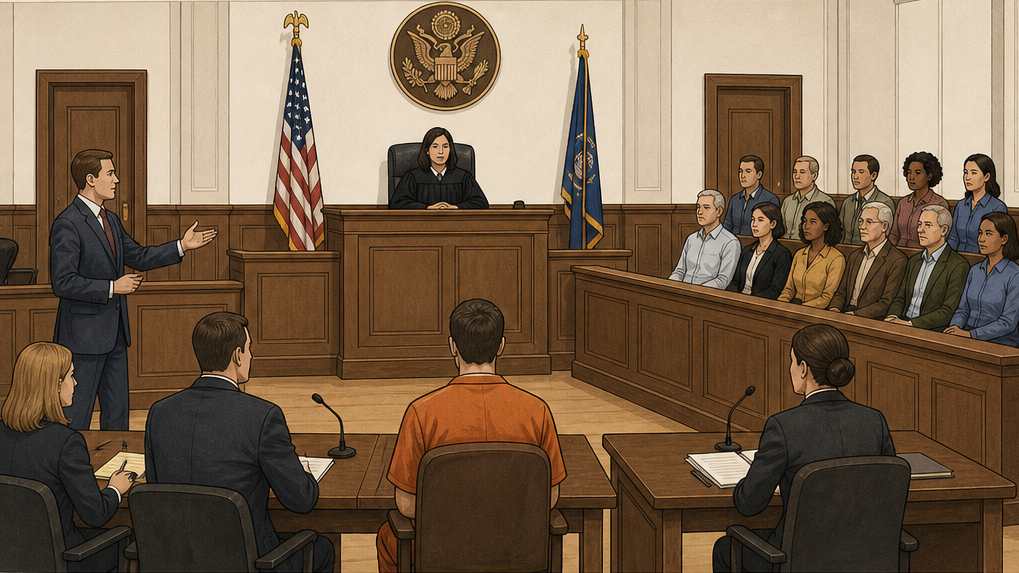










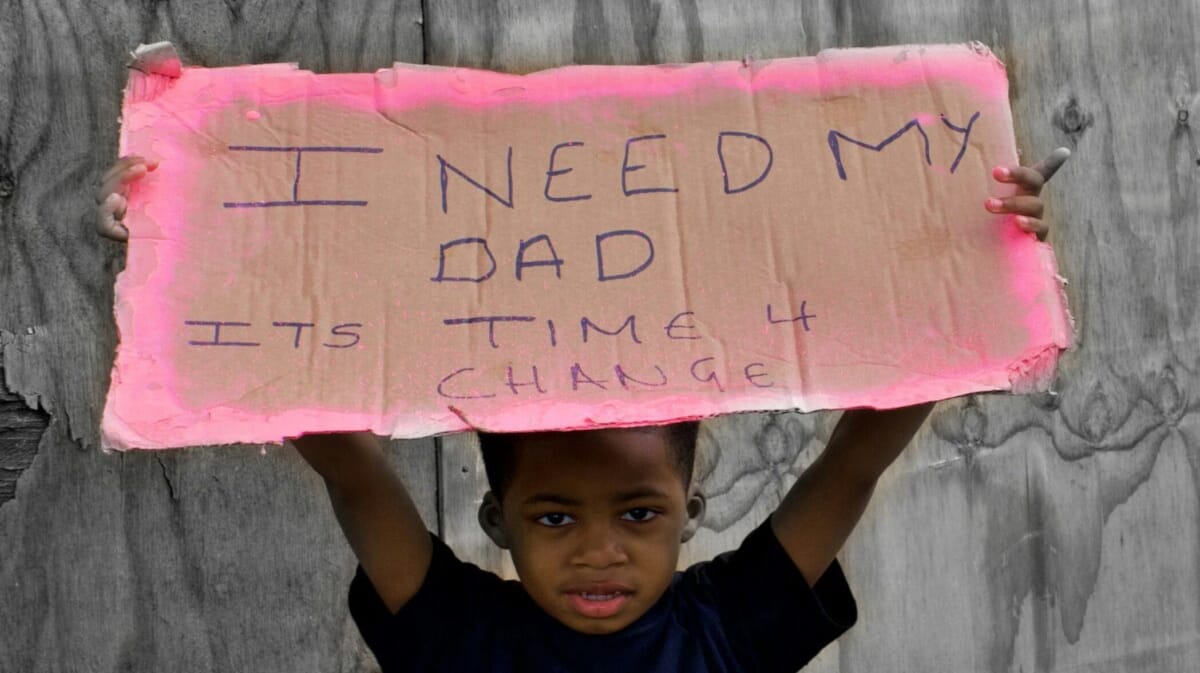






 It IS possible that the deliberate nonaction is connected to Timothy’s parent’s public stance in opposition to corrupt governmental practices? For the past 25… Read more: Could Timothy’s Demise Be Linked to Parents’ Past?