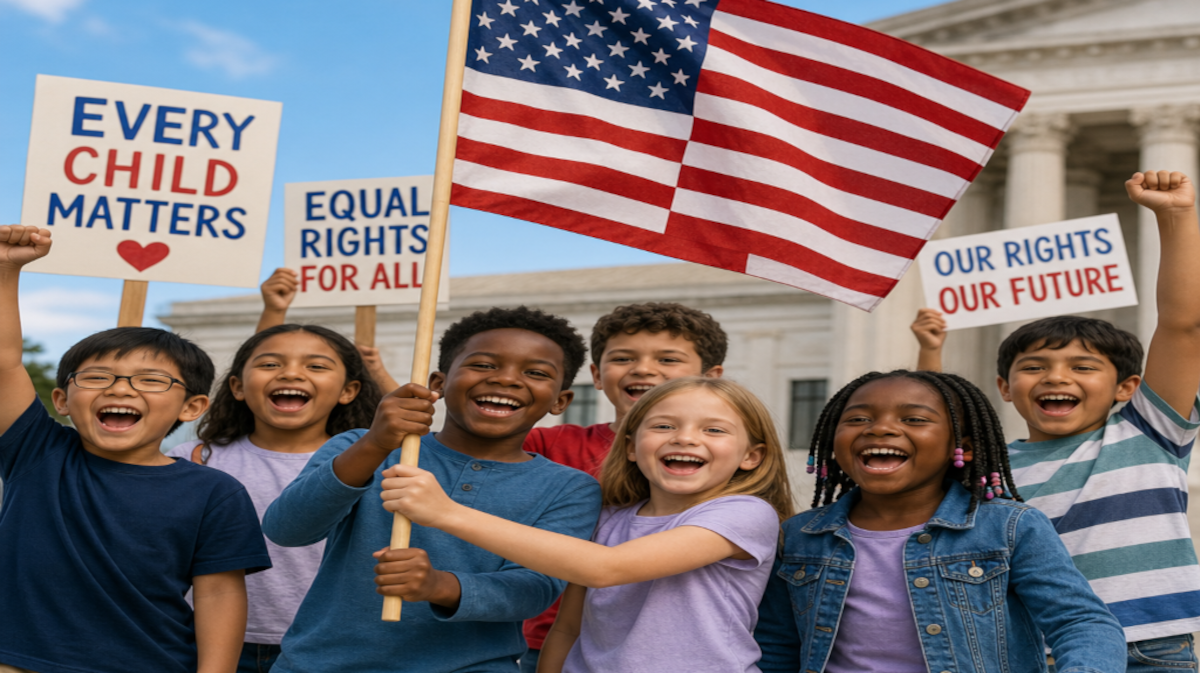
The concept of children’s civil rights is essential for understanding the inherent rights that every child possesses, akin to those of adults. In the context of the United States, the framework for these rights is deeply embedded within the Constitution and various legal precedents. This signifies that children are not just passive recipients of protection; they are individuals with distinct rights that demand respect and enforcement by society.
Historically, the recognition of children’s rights has evolved substantially. Initially, children were often viewed through a lens of guardianship and paternalism, where their needs and desires were secondary to those of adults. However, the shift towards acknowledging children as rights-bearing individuals has gained momentum, especially in light of international agreements such as the United Nations Convention on the Rights of the Child (UNCRC). This treaty emphasizes the need for legal structures that recognize the agency and voices of children, responding to their specific vulnerabilities.
In the United States, various constitutional amendments interplay to safeguard the rights of children, including the First Amendment, which guarantees freedoms concerning speech, religion, and assembly. Additionally, the Fourteenth Amendment plays a crucial role, ensuring due process and equal protection under the law, thus shaping the landscape for children’s civil liberties. Understanding these legal protections is fundamental to advocating for children’s rights and ensuring that their voices are not only heard but also integrated into legislative and educational frameworks.
As we delve deeper into this multifaceted topic, it is crucial to recognize that children’s civil rights encompass a range of issues, from educational rights to protection from abuse and exploitation. Each of these areas requires careful examination to understand how they connect back to the constitutional rights afforded to every child in the nation.
The Constitutional Basis for Children’s Rights
In the United States, the legal foundation for children’s rights resides within various constitutional amendments and statutes that afford protections to minors, recognizing their need for distinct consideration and safeguarding. While children do not possess the same legal status as adults, the Constitution ensures that they are entitled to fundamental rights, albeit interpreted through a lens reflecting their age and developmental needs.
One of the pivotal amendments is the Fourteenth Amendment, which guarantees due process and equal protection under the law. These provisions have been invoked to argue for the rights of minors, with landmark cases such as In re Gault (1967) illustrating this point. In this case, the Supreme Court ruled that juveniles have the right to notice of charges, the right to counsel, and the right to confront witnesses, thus extending the protections granted by the Fourteenth Amendment to children in the juvenile justice system.
Additionally, the First Amendment offers protections that are relevant to children’s rights, particularly regarding freedom of speech and expression. In Tinker v. Des Moines Independent Community School District (1969), the Supreme Court underscored that students do not shed their constitutional rights at the schoolhouse gate. This ruling reaffirms the notion that children, like adults, have the right to engage in peaceful protest and express their opinions, reinforcing their status as rights-bearing individuals.
Moreover, the family law domain, particularly the parental rights doctrine and the Children’s Act, emphasizes the right of children to a safe and nurturing environment. These legal frameworks recognize that children are entitled to protections that safeguard their well-being from abuse and neglect, highlighting the intersection of children’s rights and parental responsibilities.
Overall, the constitutional basis for children’s rights in the United States illustrates a growing recognition of their entitlements, establishing that minors possess inherent rights that should be protected under the law, much like adults.
The Right to Justice for Children
The right to justice for children is a fundamental aspect of their civil rights within the United States. Ensuring that children receive fair treatment and are able to seek justice is vital for their development and integration into society. The U.S. legal system has established various protections specifically designed to uphold these rights. One of the key components of this protection is the establishment of juvenile courts.
Juvenile courts serve a critical role in providing child-friendly legal processes that cater to the unique needs of children. Unlike adult courts, which can often be intimidating and complex for young individuals, juvenile courts are intended to be more flexible and understanding of a child’s circumstances. This system acknowledges that children may not fully comprehend legal proceedings and thus require additional support to navigate the justice process.
Furthermore, legal protections are grounded in both federal and state laws, ensuring that children’s constitutional rights are upheld. The U.S. Constitution includes guarantees of due process and equal protection which apply to minors. Additionally, various statutes, such as the Individuals with Disabilities Education Act (IDEA) and the Child Abuse Prevention and Treatment Act (CAPTA), provide further provisions that intersect with children’s rights within the justice system.
It is crucial to recognize that the right to justice for children not only encompasses their ability to be treated fairly in court but also extends to their right to receive appropriate resources, representation, and support. When children can access these provisions, they are more likely to feel empowered and secure, fostering a positive relationship with the legal system.
Overall, emphasizing the right to justice for children shapes a more equitable society and ensures that the legal system addresses their specific vulnerabilities, thus laying the groundwork for positive outcomes in their lives.
The Right to Be Heard and Participatory Rights
The recognition of children’s right to be heard and to participate in decision-making processes is an essential aspect of their civil rights in the United States. This principle is rooted in various international conventions, most notably the United Nations Convention on the Rights of the Child (UNCRC), which emphasizes that children should have the opportunity to express their views freely on all matters that affect them.
Article 12 of the UNCRC specifically outlines that children capable of forming their own views have the right to express those views in matters concerning them, and their opinions should be duly considered—a requirement that is particularly significant in contexts such as education, family law, and social services. While the United States has yet to ratify the UNCRC fully, its principles have significantly influenced discussions and policies surrounding children’s rights.
In the United States, various laws and policies have developed to support children’s participatory rights. For instance, the Individuals with Disabilities Education Act (IDEA) provides children with disabilities the right to participate in their own education plans. Furthermore, several state laws and local initiatives have emerged that aim to incorporate children’s voices into procedures that directly impact them, such as custody hearings and educational policies.
Listening to children is not merely a legal obligation; it has profound implications for their development and well-being. When children are included in decision-making processes, it fosters their sense of agency and responsibility, enhancing their confidence and social skills. Moreover, evidence suggests that when children’s perspectives are considered, the resultant decisions tend to be more effective and reflective of the actual needs of the youth they impact.
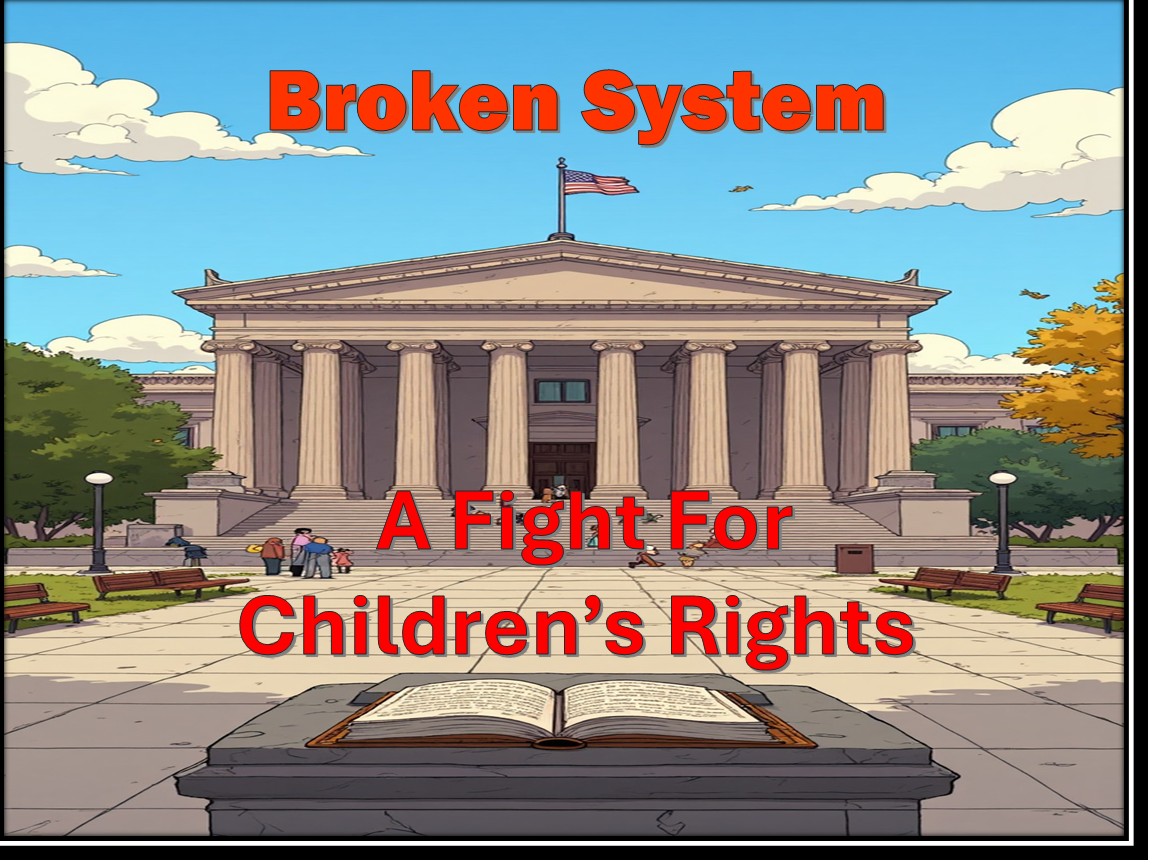
Ultimately, promoting the right to be heard and advocating for participatory rights is crucial for ensuring that children’s voices are recognized and respected in society, reinforcing their status as individuals with rights and opinions worthy of consideration. See video, Broken System, A fight for Children’s Rights.
When the Truth Cannot Be Changed Click to Listen to Audio Reading There are times when a story becomes larger than the people who… Read more: When the Truth Cannot Be Changed
We have spent 5,000 hours doing the work the police refused to do. We have uncovered a 'Counterfeit Order' enterprise where the Law is… Read more: The “Equal Justice” Poll
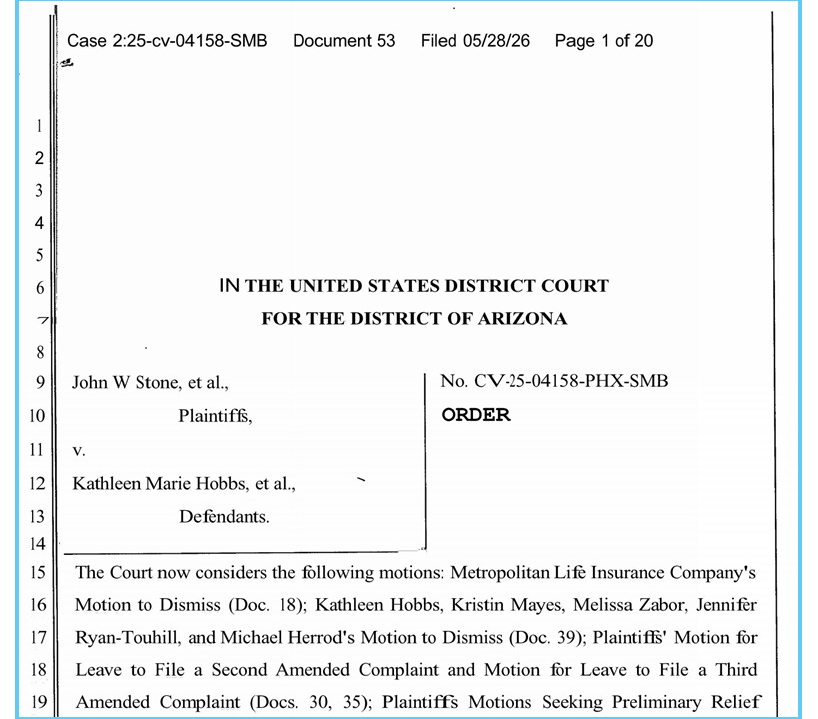
In response to Judge Brnovich’s May 28, 2026, order, we, the plaintiffs filed a "Motion to Vacate the Order" on the grounds that the… Read more: Theft of the Jury
A Public Warning About Judicial Immunity, Civil Rights, and Access to Justice This article is written for a general audience and summarizes legal arguments… Read more: When Court Procedures Become a Shield
During the late 18th century, the political landscape was charged with debates about governance, individual rights, and the responsibilities of citizenship. The framers of… Read more: The Spiritual Meaning of ‘We the People’
Taken from the Declaration of Independence para. 2 (U.S. 1776); it was declared, “…all men are created equal, that they are endowed by their… Read more: The Equality of Men and Law