Common law, often referred to as judge-made law, is a body of unwritten laws based on legal precedents established by the courts. It is fundamentally different from statutory law, which is explicitly enacted through legislation by legislative bodies. Common law evolves through judicial decisions, where the rulings made by judges in individual cases become precedents for future cases. This process ensures that laws adapt over time, reflecting changes in societal values and norms while still providing consistency and reliability in legal interpretations.
In the Constitution Memorandum of Law for ARTICLE III COURTS, it states, "God’s covenant founded upon the law of the land is eternal and cannot be broken on behalf of another. This law is called common law because it is common onto all men or natural law because it is innate, written in the hearts of men. Thereby the authority vested in 'We the People' instituted by decree in our Constitution created a republican form of government to secure the blessings of liberty to ourselves and our posterity."
The Foundations of Common Law
Within the constitutional memorandum, common law is regarded as 'God’s covenant,' illustrating its essential role in upholding morality and justice within society. This characterization emphasizes that the principles of common law are not merely constructed by human legislation but rather are seen as divinely ordained guidelines that all individuals are bound to respect. The moral underpinnings of common law establish an innate sense of right and wrong that transcends the written law, providing a compass for legal and ethical behavior.
"Persons similarly situated should be treated the same and criminal justice must be evenly dispensed". State laws must be applied fairly, not with a heavy hand and evil eye". Yick Wo v. Hopkins, 118 U.S. 356.
When Statutory Law Falls Short in Clarity
Common law plays a pivotal role in the legal system, acting as a crucial gap-filler when statutory law falls short in clarity or comprehensiveness. Statutory laws are often drafted with a specific intent, addressing particular scenarios. However, they may leave certain situations unaddressed or ambiguous, creating a void that must be filled to uphold justice and legal consistency. In these instances, common law steps in to provide guidance and resolution. Common law, through judicial decisions, establishes precedents that clarify liability and compensatory measures in unregulated scenarios, ensuring that every individual’s rights remain protected.
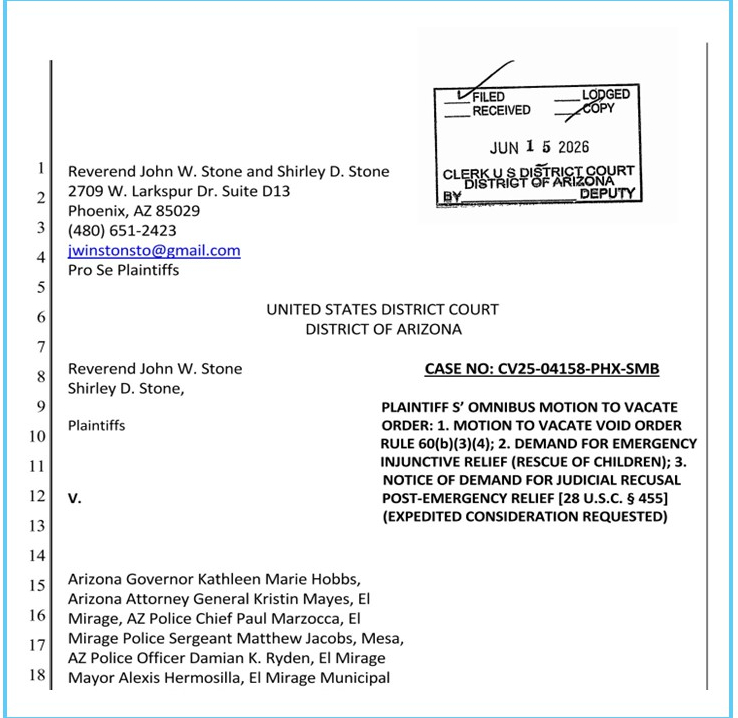
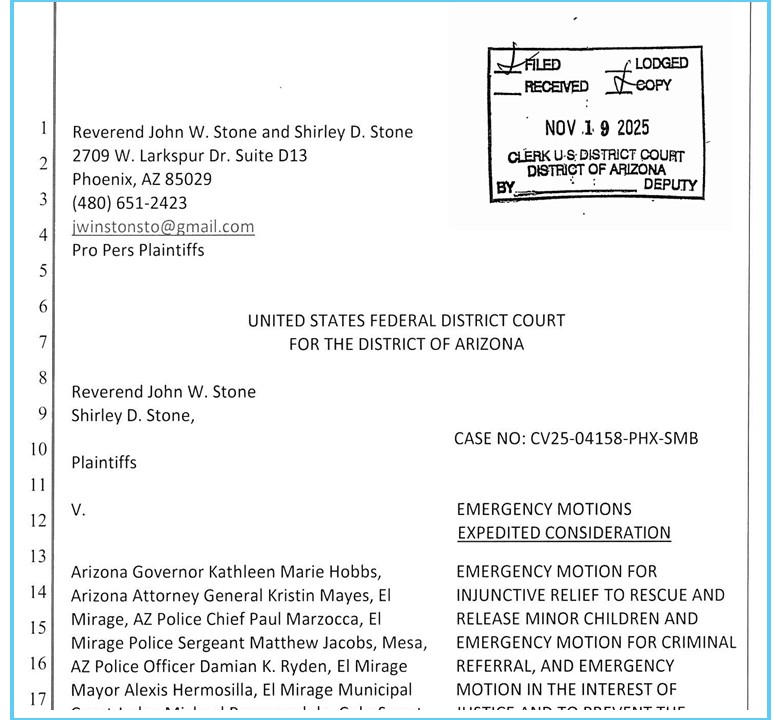
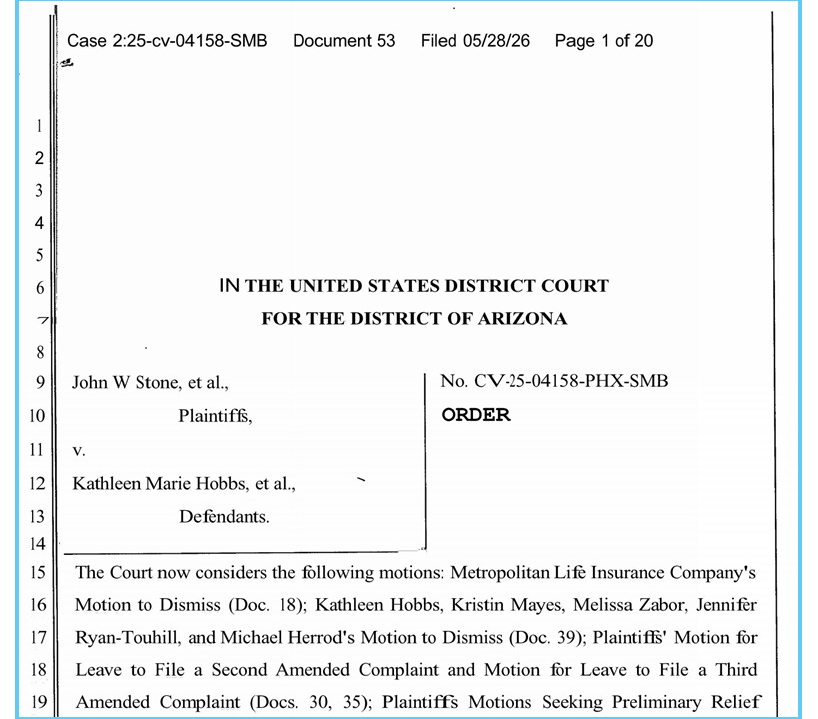
In the Stones’ wrongful death lawsuit and their emergency motion to regain custody of the children, their claims rely on both common law and statutory law. While statutory law can supersede or modify common law, the two systems often operate together in a layered and interconnected way. In this case, however, the statutory and common law grounds invoked by the Stones create a clear and explicit legal framework. Because these laws are already well-defined, there are no gaps that require the court to fill them in through additional judicial interpretation.

 It IS possible that the deliberate nonaction is connected to Timothy’s parent’s public stance in opposition to corrupt governmental practices? For the past 25… Read more: Could Timothy’s Demise Be Linked to Parents’ Past?