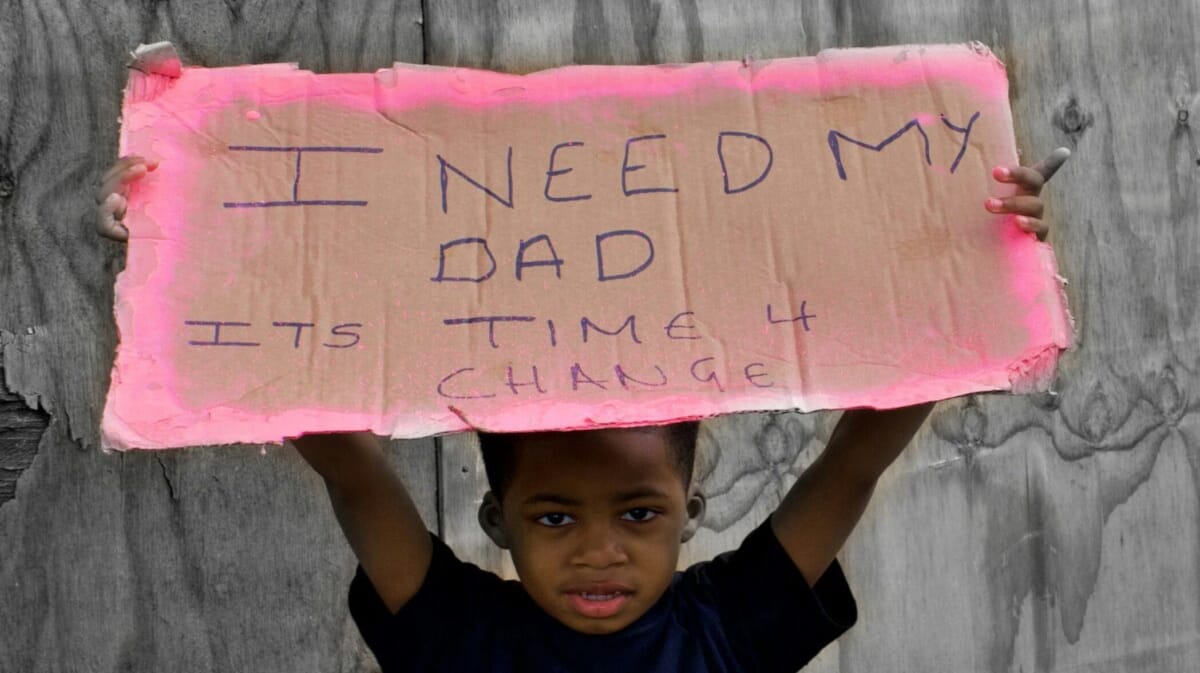
Custodial Interference or Kidnapping: A Father’s Fight
Understanding Custodial Interference
In the Stone’s ongoing legal proceedings highlighted in the complaints, an alarming factor emerged: a communication from the chief of police, which indicated that the authorities decided that the case was not kidnapping but custodial interference, and they would not intervene in his circumstances. This raises serious questions regarding the adherence to statutory obligations and the processes followed by police in such delicate cases.
Custodial interference is a legal term that refers to the act of one parent unlawfully retaining or taking a child from the legal custody of the other parent. It is important to distinguish custodial interference from kidnapping; while both involve the unlawful taking or retention of a child, kidnapping typically implies a malicious intent to harm or exploit the victim as well as the unlawfully retention of the child. In contrast, custodial interference often arises from disputes pertaining to custody agreements, where one parent may feel justified in their actions, despite violating the other parent's legal rights.
Custodial interference usually involves violating a custody agreement (like keeping a child longer than allowed or taking them without permission), while kidnapping is the unlawful taking and restraint of a person with intent to harm, hide, or deny access. Custodial interference is often a misdemeanor; kidnapping is always a felony.
Implication of Having a Court Order
In the Stone's claims they provided copies of court orders; the paternity order, the conditions for custodial rights, and the protection orders, all indicating full custodial rights of the father. The mother ignored those orders and took the children in violation.
The implications of having a protective order in place significantly influence instances of custodial interference. Such orders are designed to protect custodial parents and their children, particularly in cases where there is a history of child abuse, domestic violence, or threats. When a protective order is issued, it clearly outlines the custodial rights of the primary caretaker, asserting that any attempt by the other parent to contravene those rights may result in legal consequences. Unfortunately, the vulnerable adult custodial parents must constantly navigate the emotional and legal ramifications of non-compliance from the other parent, which can lead to significant distress.
The Father's Battle: A Timeline of Events
The heartbreaking story of a father's struggle to secure the safety and return of his children unfolds through a series of harrowing events. The timeline begins with the father experiencing a diabetic episode that led to his admission to a medical facility. This medical crisis left him vulnerable, highlighting the necessity for a proactive approach by law enforcement to safeguard his civil rights and the rights of his children. Despite a protective order in place, which should have served as an assurance against potential kidnapping or custodial interference, the situation escalated. Upon his release from medical care, the father was met with the devastating news that his children had been taken by their mother.
The abduction occurred in a shocking violation of the protective order designed to safeguard both the father and the children. The father's immediate attempts to reach out to the authorities were met with obstacles that further compounded his distress. It became evident that the mandatory duty of police in such sensitive circumstances was not adequately executed, as the father faced significant challenges in asserting his rights. He navigated a series of interactions with law enforcement, expressing concern not only for his children’s safety but also for the possible implications of child abuse and neglect due to the mother’s actions.
As days turned into weeks, the father remained steadfast in his pursuit of justice. He diligently documented each encounter, carefully noting the responses from authorities who seemed to not care to take decisive action. The father also reached out to various support organizations aimed at protecting vulnerable adults and children, seeking assistance in response to the civil rights violations he and his children faced. This challenging timeline serves as a stark reminder of the critical role that law enforcement must play in preventing such distressing situations and ensuring the well-being of families embroiled in custody disputes.
The Role of Law Enforcement: Response and Accountability
The duty of police encompasses a broad range of responsibilities, particularly in responding to incidents involving vulnerable individuals such as children. In this case of custodial interference, the law enforcement's response raises significant questions regarding their decision-making process when labeling the incident. The classification of the situation as custodial interference, rather than a direct act of kidnapping, indicates a tendency to downplay the severity of the offenses involved, which can have dire consequences for the children involved. Custodial parents often expect police to act decisively in retrieving their children and enforcing protective orders, yet in this instance, such enforcement was lacking.
When police encounter situations involving custodial disputes, there exists an expectation of swift action, particularly in scenarios where the safety of a vulnerable adult or a minor is at risk. Not only does the immediate intervention serve to protect the rights of the custodial parent, but it also contributes to ensuring that civil rights violations do not occur. A failure to act can inadvertently perpetuate child abuse and further the cycle of custodial interference, leaving victims vulnerable and without recourse. Legal experts emphasize that in circumstances warranting intervention, it is the mandatory duty of police to enforce protective orders rigorously and swiftly to avoid tragic outcomes.
Arizona Revised Statute 8-901
According to Arizona Revised Statute 8-901, law enforcement officers are required to take specific actions when allegations of custodial interference or kidnapping arise. This statute establishes a mandatory duty, indicating that police cannot simply choose to refrain from assisting in cases where custodial rights are jeopardized. In the context of a recent wrongful death lawsuit and certified criminal complaint, this duty becomes particularly critical.
Arizona Revised Statutes under Title 8 for Child Safety states under ARS § 8-901 for missing, kidnapped or runaway children, provides that:
- A law enforcement agency that receives a report of a missing, kidnapped or runaway child shall do all of the following:
- Within two hours after receiving the report and all necessary and available information, submit the following information to the Arizona crime information center, the national crime information center computer networks and the national missing and unidentified persons system:
(a) The name, date of birth, sex, race, height, weight and eye and hair color of the child.
(b) A recent photograph of the child, if available.
(c) The date and location of the last known contact with the child.
(d) The category under which the child is reported missing.
- Not later than thirty days after the original entry of the record, verify and update the record with any additional information, including, where available, medical and dental records and a photograph taken during the previous one hundred eighty days.
- Institute or assist with appropriate search and investigative procedures.
- Maintain a close liaison with state and local child welfare systems and the national center for missing and exploited children for the exchange of information and technical assistance in the missing child case.
- Grant permission to the national crime information center terminal contractor for this state to update the missing child record in the national crime information center computer networks with additional information that is learned during the investigation and that relates to the missing child.
- A law enforcement agency that receives a report of a missing, kidnapped or runaway child who is in the foster care system shall notify the national center for missing and exploited children in addition to the entities listed in subsection A of this section.
- An entry may not be removed from any database or system until the child is found, or the case is closed.
When law enforcement dismisses their mandatory duties as outlined in statute 8-901, the implications of law enforcement's inaction are profound, as they not only affect the immediate situation but can also set a precedent for future cases of custodial disputes. By examining the systemic failures within law enforcement responses to cases of custodial interference and kidnapping, a clearer understanding emerges regarding the need for accountability in protecting civil rights.
A Tragic Conclusion Calls for Reform
The painful experience faced by the father in this gripping case serves as a somber reminder of the broader implications stemming from police inaction. As he fought desperately to regain custody of his children, the emotional toll on not just him but the entire family was profound. The journey toward battling what many perceive as a mandatory duty of police to protect children's rights unfortunately oftentimes leads to feelings of abandonment and despair among family members caught in the crossfire of custody disputes.
Unfortunately, the culmination of this fight ended tragically, as the father ultimately lost not only his children but also his life due to the overwhelming emotional distress. This heartbreaking outcome starkly highlights the inadequacies present within the current system regarding custodial interference and the subsequent inability to protect the most vulnerable—the children. The case raises pressing questions about the effectiveness of law enforcement's response to kidnapping instances and civil rights violations that exceedingly occur in this context. Are the police equipped and properly trained to handle such sensitive situations, especially when they involve vulnerable adults and the dynamics of child abuse? Do they care?
This tragic conclusion has inspired a clarion call for substantial reform in how custodial interference cases are approached. It underscores the need for a major reevaluation of existing policies and the implementation of better training for law enforcement officers tasked with enacting the mandatory duty of police. Stakeholders must engage in open conversations surrounding policy changes that can prevent such tragedies from recurring. A more compassionate and informed approach is essential to better protect children's rights and ensure that families are supported during these emotionally charged conflicts. See, Understanding 'Shall' and 'May' in Child Safety Legislation
Who Was Timothy and What Happened?

February 28, 2024, Timothy celebrated his 34th birthday, and on March 2, 2024, he suddenly passed away.
Met in high-school, Timothy had been with Sarea, for over 15 years. They married and had three-boys; the two youngest are autistic. Timothy worked for Cox Communications for almost 12-years. At the time of his death, he worked as a sales Engineer team leader and was highly regarded by his peers and superiors as having an advancing career with Cox. He loved family life, music, sports and cooking. During the age of two, Timothy developed juvenile (type 1) diabetes. Autopsy report says he died of the condition.
It was around 4pm, after being treated and recovering from a diabetic episode, and discharged from the hospital’s Intensive Care Unit when Timothy returned home and found his three sons missing. They were taken away by the sitter who refused to tell him at first where they were. He immediately called the El Mirage, AZ Police. When the officers arrived to take the report, they were told by the sitter that she took them to their mother, but her location was unknown. The mother had abandoned the family and had been living in Las Vegas for nearly a year and had obtained a job there. Timothy did not know his estranged wife was back.
From the time Timothy called 911 until his death, his basic rights as a citizen were trampled upon, as he was denied the fundamental protection he deserved as a custodial parent. Instead of finding support, he was met with indifference and obstruction, leaving him and his children exposed and defenseless. The relentless torment he endured, coupled with the blatant disregard for his and his children's safety, tragically led to his untimely demise.
Summary of Events
- Wife's Abandonment & Protective Orders
- Timothy and wife Sarea were working out a divorce.
- Sarea was agreeable and amicable for months during the process but changed her mind and decided to make the process difficult.
- Sarea abandoned the family and moved to Las Vegas for nearly a year.
- Timothy sought an order of protection for him and children, due to her manipulative and harmful actions, including using the children against him and falsely accusing him of abuse.
- Sarea evaded being served with Timothy’s protective order, though her sister was served.
- False Accusations & Court Decisions
- Previously, Sarea falsely claimed Timothy was abusive to obtain a protective order against him, putting him out of their home.
- In a later hearing, she admitted he never hurt her, leading the judge to reunite him with the children while keeping the order for her.
- Eventually, Sarea had the order against Timothy for her dismissed in March 2023.
- Wife’s Erratic Behavior & Final Departure
- After the dismissal, Sarea sent the two older boys to live with Timothy at different times and, in March 2023, brought the youngest child to his home.
- She stayed briefly before stealing the family car and fleeing to Las Vegas, leaving the children behind.
- When Timothy attempted contact, Sarea’s mother and sister threatened him and plotted to take the children back.
- Legal & Custodial Struggles
- Since Sarea had abandoned the children, Timothy legally had full custody and had obtained protective orders against her and her sister.
- Despite this, Sarea ignored the orders and continued causing issues from Las Vegas without concern for the children.
- Potential Conspiracy with the Friend-Sitter
- Believing they were moving toward an amicable divorce, Timothy later realized Sarea may have been secretly conspiring with the sitter.
- The sitter, whom Timothy had relied on to help care for the children, had her own struggles but maintained ties to both him and Sarea, even during their conflicts.
- Temporary Living Arrangement Turns Toxic
- Timothy allowed the friend-sitter and her children to stay in his apartment temporarily while he was working out the divorce.
- The friend-sitter became increasingly demanding and manipulative, prioritizing her children over his, creating conflict and emotional distress.
- Legal Action & Escalation
- In January 2024, Timothy sought legal action to remove the sitter due to her toxic behavior and threats.
- His request for a protective order was denied, leaving him vulnerable.
- Mysterious Health Decline & Hospitalization
- After his legal efforts failed, Timothy experienced a sudden unexplained stomach illness.
- His insulin went missing, and he was later hospitalized with dangerously high blood sugar levels.
- Children Taken While Hospitalized
- While Timothy was in intensive care, Sarea, unexpectedly returned and, with the help of the friend-sitter, took the children without his authorization or knowledge.
- Sarea had abandoned the children for nearly a year but was in contact from with the sitter regarding Timothy’s life insurance policy.
- Police and Legal System Failures
- Timothy reported the abduction, but police failed to act, despite his existing protective order against Sarea.
- Sarea managed to evade service of the protective order and, before being served, and tried to serve her own against Timothy to prevent him from retrieving the children.
- Tragic Outcome
- Timothy was headed to court to have his children returned, but before the case was resolved, he suddenly passed away.
- His Timothy's court filings stated that Sarea had mental health issues, had abused and neglected the children, defied court orders and took and kept them purely to hurt him.
- Despite his death, the system failed to acknowledge his case, leaving the children in a potentially harmful environment, now without their father's protection.
- Systemic Negligence & Lack of Justice
- Authorities ignored Timothy’s parental rights and protective orders, allowing his estranged wife to keep the children, illegally taken.
- His vulnerability as a lifelong Type-1 diabetic was used against him, leading to emotional and physical suffering.
- His tragic end highlights systemic failures, lack of accountability, and continued abuse inflicted upon his children.
- Could Timothy’s death have been avoided or at least treated? See how the Police Intentional Breach of Duty helped the perpetrators.
- Understanding ‘Shall’ and ‘May’ in Child Safety Legislation
- Custodial Interference or Kidnapping: A Father’s Fight
- The Human Cost of Family Abduction
- Understanding the Legal Relationship
- The Legal Grounds for Stone’s Court Filing
- The Human Impact Shown in Stone’s Emergency Filing
- Emergency Federal Court Filings Seek Immediate Rescue of Children
- Criminal Complaint Filed for “Felony Murder” Against Governor and Crew
- Legal Perspective: Can You Kidnap You Own Child?
- Legal Perspective: Due Process
- God Forbid, What Would You Do?
- Legal Perspectives: The Laws Implicated
- Children’s Well-Being Should Matter
- Protective Orders Have No Guarantee
- Stone Family’s Quest for Justice Part Two
- Stone Family’s Quest for Justice Part One
- Kidnapping a Child is Child Abuse
- Police Intentional Breach of Duty
- Who Was Timothy and What Happened?
Stone's Legal Fund
