
Understanding ‘Shall’ and ‘May’ in Child Safety Legislation
Legal terminology plays a crucial role in the interpretation and application of laws. It comprises the specific language and words utilized within the legal framework, which can have profound implications on rights, responsibilities, and processes. Legal documents are structured to convey precise meanings, where the choice of words is vital. Two such words that frequently arise in legal texts are 'shall' and 'may'.
Understanding these terms is essential, particularly in areas such as child safety legislation, where the implications of legal language can profoundly affect the lives of children and families. The term 'shall' typically denotes an obligation. When a statute uses 'shall', it signals that compliance is mandatory, leaving no room for discretion. On the contrary, 'may' implies permission or discretion, indicating that an action is authorized but not required. This distinction is critical in determining the enforceability and intent of the legislation.
For instance, a legal provision stating that authorities 'shall' report child abuse cases creates a binding obligation for those entities to act, ensuring accountability and proactive intervention. In contrast, a provision that states authorities 'may' provide support services puts the choice in the hands of those entities, potentially leading to varied interpretations and outcomes based on individual circumstances.
The significance of these terms is clear; they shape the legal landscape governing child safety, influencing how laws are enacted and followed. Understanding the nuances of legal terminology not only aids legal professionals but also educates the public on their rights and responsibilities. This knowledge empowers individuals, enabling them to navigate the complexities of the law and advocate for compliance and enforcement effectively.
The Power of 'Shall' in Legal Language
The term 'shall' serves a vital role in legal documents, particularly in the context of legislation concerning child safety. When utilized, 'shall' signifies a binding requirement, imposing a duty upon the parties involved. This mandate creates a clear expectation of compliance and sets out the legal responsibilities that must be fulfilled. For example, in many child protection laws, an agency 'shall' conduct background checks on caregivers before approval, illustrating that such actions are not optional but imperative.
In legal parlance, the use of 'shall' effectively eliminates ambiguity. Unlike more permissive terms, such as 'may,' 'shall' conveys a definitive obligation, ensuring that there is no room for interpretation regarding actions that must be taken. This linguistic precision is particularly critical in child safety legislation, where failure to adhere to prescribed actions can lead to significant consequences, not only for the individuals involved but also for the children being protected. For instance, school officials 'shall' report any suspected abuse or neglect to the relevant authorities, emphasizing that inaction is not an acceptable response.
Understanding 'May' in Legal Documents
The term 'may' plays a crucial role in legal documents, particularly in statutes, regulations, and legal interpretations. Unlike the term 'shall', which indicates a mandatory obligation, 'may' signifies permissiveness or discretion. This distinction is fundamental in interpreting legal texts as it impacts the scope of authority and the actions that officials or individuals can take under the law.
'May' is often employed in legal language to grant permission or suggest potential actions without imposing a duty. For instance, a clause stating that a governing body 'may' impose sanctions allows such action but does not require it. This use of 'may' introduces flexibility in the application of the law, enabling decision-makers to exercise judgment based on specific circumstances. The discretionary nature of 'may' is significant in child safety legislation, where the ability to act can depend on situational factors and assessments of risk.
Consider a scenario within child welfare services where a statute indicates that an agency 'may' provide support services to families in need. This means that the agency has the option to offer assistance but is not legally obligated to do so in all cases. This conditionality allows agencies to prioritize scarce resources and tailor interventions suited to particular situations, enhancing the overall effectiveness of child safety initiatives.
Furthermore, the legal interpretation of 'may' can vary depending on the context. Courts often analyze how 'may' relates to other provisions within the same document, considering legislative intent and the broader legal framework. Hence, practitioners and stakeholders must understand how 'may' functions within legal language to ensure compliance and informed decision-making.
The Arizona Revised Statutes: Title 8 - Child Safety
The Arizona Revised Statutes Title 8 is a critical component of the legal framework governing child safety in the state. This title encompasses various laws designed to protect minors from harm and ensure their well-being. Within this legislative domain, several key sections address different aspects of child safety, providing a comprehensive approach to safeguarding children from potential dangers. Notably, § 8-901 holds particular significance, as it lays out the responsibilities concerning the reporting of missing, kidnapped, or runaway children.
§ 8-901 emphasizes the importance of prompt action in the face of potential threats to children's safety. It mandates that individuals, particularly those with a duty to care for minors, must report any instance of a child being reported missing or believed to be kidnapped. The statute specifies timelines and criteria that aim to facilitate immediate intervention by law enforcement officials. This urgency is crucial, as statistics indicate that timely reporting can dramatically increase the likelihood of locating missing children and return them to safety.
The legislative intent behind this statute is clear: protecting children from potential harm is a paramount concern. By establishing a legal obligation to report, the statute fosters a culture of vigilance within the community. It encourages not only parents and guardians but also educators, healthcare providers, the general public and the police to be proactive in matters of child safety. Additionally, the law outlines the penalties for non-compliance, reinforcing the seriousness of these obligations.
In conclusion, the Arizona Revised Statutes Title 8 represents a vital effort to prioritize child safety through comprehensive legislation. § 8-901 specifically underscores the necessity of swift reporting in instances of missing, kidnapped, or runaway children, thus contributing to the overarching goal of providing a secure environment for all minors in the state.
Mandatory Reporting Requirements Under § 8-901
Within the framework of child safety legislation, the provisions set forth in § 8-901 play a pivotal role in outlining mandatory reporting requirements. This section establishes clear expectations for law enforcement agencies when they receive reports of suspected child abuse or neglect. Notably, the wording of the statute incorporates the terms "shall" and "may," which are crucial for understanding the obligations and discretion afforded to these entities. The term "shall" indicates mandatory actions that law enforcement must perform, while "may" implies the presence of discretionary decisions that can be taken.
Upon receiving a report, law enforcement agencies "shall" undertake specific actions aimed at ensuring the safety and welfare of the child involved. A prominent requirement is the obligation to submit relevant information to designated information centers within a two-hour timeframe. This expeditious reporting process is critical, as it ensures that the appropriate agencies are alerted to potential danger and can take subsequent protective measures swiftly. This adherence to the mandated timeline underscores the seriousness with which child safety matters must be treated.
Furthermore, § 8-901 stipulates several other actionable obligations for law enforcement, necessitating a proactive approach to assess the reported concerns. Agencies must "shall" conduct thorough investigations, collaborate with child protective services, and engage in continuous communication with other stakeholders involved. It is essential for law enforcement to prioritize the well-being of the child by adhering strictly to these mandated actions, thereby enhancing the efficacy of child safety initiatives.
Ultimately, the clear delineation of actions law enforcement agencies "shall" take in the context of mandatory reporting under § 8-901 is designed to facilitate prompt intervention and support for children at risk, thereby reinforcing the legislative framework aimed at safeguarding vulnerable populations.
Consequences of Failing to Act: Breach of Duty
The concept of breach of duty is pivotal in child safety legislation, as it delineates the responsibilities entrusted to individuals or entities in promoting and safeguarding the welfare of children. A breach of duty occurs when a party fails to meet the obligations set forth by applicable laws or regulations, resulting in harm or potential harm to a child. This failure can lead to serious legal consequences, emphasizing the importance of understanding the nuances of these legal terms.
In the context of child safety legislation, the words 'shall' and 'may' serve distinct roles that directly impact the legal framework concerning the responsibilities of caregivers, educators, social workers, and officials. When a law states that an entity 'shall' perform a particular action, it indicates a mandatory obligation. Failing to comply can result in a breach of duty, opening the door to legal repercussions such as fines, lawsuits, or professional disciplinary actions. Conversely, when a law uses 'may', it conveys discretion; therefore, failing to act on a discretionary duty does not typically result in legal liability unless there are specific circumstances that imply a duty of care.
Legal repercussions are not the only aspect to consider. A breach of duty can infringe upon civil rights, as it may lead to situations where children are exposed to unsafe environments due to negligence. For instance, when mandated reporters fail to report suspected abuse or neglect, they not only breach their duty but also compromise the safety and well-being of vulnerable children, potentially resulting in long-term psychological and physical harm. Real-life implications extend beyond the courtroom; such breaches can erode public trust in child welfare systems and create lasting negative impacts on community perception and engagement.
Case Studies: Implications of 'Shall' and 'May' in Action
The distinction between the terms 'shall' and 'may' is critical in understanding the enforceability and discretionary powers present in child safety legislation. To illustrate this, we can examine hypothetical scenarios that showcase how these terms influence law enforcement actions and judicial decisions.
Consider a case where legislation states that authorities 'shall' investigate any reported suspicion of child abuse. In this scenario, the mandatory nature of the term 'shall' means that law enforcement is obligated to act on each report without discretion. Failure to conduct an investigation could lead to legal consequences for the department, potentially undermining the safety of the child involved. This compulsion is crucial, as it establishes a clear expectation for law enforcement, ultimately serving the best interests of children who may be in dangerous situations.
Conversely, let's explore a scenario where legislation stipulates that a court 'may' appoint a guardian ad litem for a child in custody disputes. The word 'may' indicates discretion, allowing the court to decide on a case-by-case basis whether a guardian is necessary. While this flexibility can be beneficial in tailoring decisions to specific circumstances, it may also lead to inconsistencies in safeguarding children’s wellbeing. If some cases warrant a guardian while others do not, the lack of uniformity could result in disparate outcomes for children depending on the presiding judge's interpretation of the necessity for counsel.
These examples illustrate the tangible implications of 'shall' and 'may' in child safety legislation. They underscore the importance of precise language in legal texts, as these terms directly affect the responsibilities of law enforcement and judicial officers, ultimately influencing the protective measures that are in place for vulnerable children.
Legal Interpretations and Judicial Precedents
The terms 'shall' and 'may' hold significant weight in legal contexts, particularly within child safety legislation. The interpretation of these terms can alter the obligations and rights stipulated in legal documents, thereby influencing the outcomes of various court cases. 'Shall' is typically interpreted as indicating a mandatory requirement, while 'may' suggests permissive or discretionary action. This distinction is crucial, as it can determine whether a party is legally bound to act or merely has the option to act.
Judicial precedents play a vital role in clarifying the meanings of 'shall' and 'may'. Courts often refer to previous rulings to establish interpretive guidelines for these terms. For instance, in the landmark case of State v. Bethel, the court emphasized how the mandatory nature of 'shall' imposed a duty on agencies to report suspected abuse, thereby upholding a higher standard for child safety. In contrast, the case of Johnson v. State illustrates how the term 'may' was interpreted as granting discretion to law enforcement when determining whether to initiate investigations based on reported concerns.
Such judicial interpretations contribute to the evolution of legal standards surrounding child welfare. They clarify how obligations are imposed on various stakeholders, including parents, educators, and state agencies. As courts continue to evaluate the implications of these terms, ongoing legal discourse shapes policy and informs practitioners about their responsibilities in safeguarding children. The interpretations not only influence individual cases but also set foundational expectations for the enforcement of child safety laws across jurisdictions.
Consequently, understanding these legal nuances is essential for comprehending the broader implications on child safety and welfare legislation. The distinctions between 'shall' and 'may' serve as crucial determinants that guide legal compliance and affect judicial outcomes.
Conclusion: The Importance of Precision in Legal Language
Precision in legal language is fundamental to the effective implementation and enforcement of laws, particularly those concerning child safety. The terms 'shall' and 'may' represent more than mere words; they embody critical distinctions that can significantly affect legal obligations and rights. Understanding the implications of these terms is crucial not just for legal professionals but also for policymakers, law enforcement officials, and the general public. The use of 'shall' indicates a mandatory requirement, imposing an obligation that must be fulfilled. In contrast, 'may' confers discretion, allowing for flexibility in decision-making. The differences between these terms can influence how laws are interpreted and applied in real-world situations, particularly in matters involving the welfare of children.
In child safety legislation, the choice between 'shall' and 'may' can determine the level of protection afforded to vulnerable populations. When legislation utilizes 'shall,' it ensures that actions are compulsory, thereby holding responsible parties accountable while safeguarding children's rights. Conversely, the use of 'may' can result in decisions based on the discretion of individuals or authorities, leading to potential inconsistencies in the enforcement of laws designed to protect children. Therefore, clarity and precision in legal documentation are paramount.
It is also essential for stakeholders, including community members, to comprehend these nuances. Better understanding can foster a culture of transparency and accountability, empowering citizens to advocate for their rights and navigate the legal system more effectively. Ultimately, refining the language of legislation is not merely an academic exercise; it is a vital step in ensuring that laws serve their intended purpose—protecting children and promoting their well-being in our society. By prioritizing precise legal terminology, we contribute to a more just and equitable system of child safety legislation.
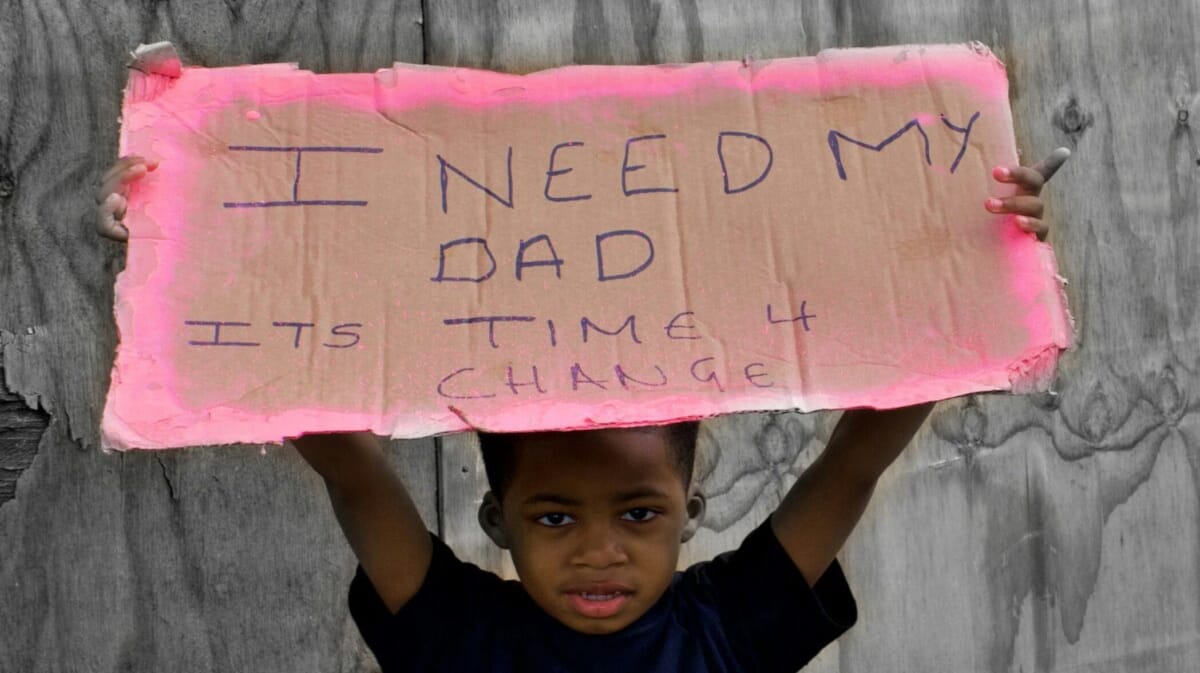
Custodial Interference or Kidnapping: A Father’s Fight
Understanding Custodial Interference
In the Stone’s ongoing legal proceedings highlighted in the complaints, an alarming factor emerged: a communication from the chief of police, which indicated that the authorities decided that the case was not kidnapping but custodial interference, and they would not intervene in his circumstances. This raises serious questions regarding the adherence to statutory obligations and the processes followed by police in such delicate cases.
Custodial interference is a legal term that refers to the act of one parent unlawfully retaining or taking a child from the legal custody of the other parent. It is important to distinguish custodial interference from kidnapping; while both involve the unlawful taking or retention of a child, kidnapping typically implies a malicious intent to harm or exploit the victim as well as the unlawfully retention of the child. In contrast, custodial interference often arises from disputes pertaining to custody agreements, where one parent may feel justified in their actions, despite violating the other parent's legal rights.
Custodial interference usually involves violating a custody agreement (like keeping a child longer than allowed or taking them without permission), while kidnapping is the unlawful taking and restraint of a person with intent to harm, hide, or deny access. Custodial interference is often a misdemeanor; kidnapping is always a felony.
Implication of Having a Court Order
In the Stone's claims they provided copies of court orders; the paternity order, the conditions for custodial rights, and the protection orders, all indicating full custodial rights of the father. The mother ignored those orders and took the children in violation.
The implications of having a protective order in place significantly influence instances of custodial interference. Such orders are designed to protect custodial parents and their children, particularly in cases where there is a history of child abuse, domestic violence, or threats. When a protective order is issued, it clearly outlines the custodial rights of the primary caretaker, asserting that any attempt by the other parent to contravene those rights may result in legal consequences. Unfortunately, the vulnerable adult custodial parents must constantly navigate the emotional and legal ramifications of non-compliance from the other parent, which can lead to significant distress.
The Father's Battle: A Timeline of Events
The heartbreaking story of a father's struggle to secure the safety and return of his children unfolds through a series of harrowing events. The timeline begins with the father experiencing a diabetic episode that led to his admission to a medical facility. This medical crisis left him vulnerable, highlighting the necessity for a proactive approach by law enforcement to safeguard his civil rights and the rights of his children. Despite a protective order in place, which should have served as an assurance against potential kidnapping or custodial interference, the situation escalated. Upon his release from medical care, the father was met with the devastating news that his children had been taken by their mother.
The abduction occurred in a shocking violation of the protective order designed to safeguard both the father and the children. The father's immediate attempts to reach out to the authorities were met with obstacles that further compounded his distress. It became evident that the mandatory duty of police in such sensitive circumstances was not adequately executed, as the father faced significant challenges in asserting his rights. He navigated a series of interactions with law enforcement, expressing concern not only for his children’s safety but also for the possible implications of child abuse and neglect due to the mother’s actions.
As days turned into weeks, the father remained steadfast in his pursuit of justice. He diligently documented each encounter, carefully noting the responses from authorities who seemed to not care to take decisive action. The father also reached out to various support organizations aimed at protecting vulnerable adults and children, seeking assistance in response to the civil rights violations he and his children faced. This challenging timeline serves as a stark reminder of the critical role that law enforcement must play in preventing such distressing situations and ensuring the well-being of families embroiled in custody disputes.
The Role of Law Enforcement: Response and Accountability
The duty of police encompasses a broad range of responsibilities, particularly in responding to incidents involving vulnerable individuals such as children. In this case of custodial interference, the law enforcement's response raises significant questions regarding their decision-making process when labeling the incident. The classification of the situation as custodial interference, rather than a direct act of kidnapping, indicates a tendency to downplay the severity of the offenses involved, which can have dire consequences for the children involved. Custodial parents often expect police to act decisively in retrieving their children and enforcing protective orders, yet in this instance, such enforcement was lacking.
When police encounter situations involving custodial disputes, there exists an expectation of swift action, particularly in scenarios where the safety of a vulnerable adult or a minor is at risk. Not only does the immediate intervention serve to protect the rights of the custodial parent, but it also contributes to ensuring that civil rights violations do not occur. A failure to act can inadvertently perpetuate child abuse and further the cycle of custodial interference, leaving victims vulnerable and without recourse. Legal experts emphasize that in circumstances warranting intervention, it is the mandatory duty of police to enforce protective orders rigorously and swiftly to avoid tragic outcomes.
Arizona Revised Statute 8-901
According to Arizona Revised Statute 8-901, law enforcement officers are required to take specific actions when allegations of custodial interference or kidnapping arise. This statute establishes a mandatory duty, indicating that police cannot simply choose to refrain from assisting in cases where custodial rights are jeopardized. In the context of a recent wrongful death lawsuit and certified criminal complaint, this duty becomes particularly critical.
Arizona Revised Statutes under Title 8 for Child Safety states under ARS § 8-901 for missing, kidnapped or runaway children, provides that:
- A law enforcement agency that receives a report of a missing, kidnapped or runaway child shall do all of the following:
- Within two hours after receiving the report and all necessary and available information, submit the following information to the Arizona crime information center, the national crime information center computer networks and the national missing and unidentified persons system:
(a) The name, date of birth, sex, race, height, weight and eye and hair color of the child.
(b) A recent photograph of the child, if available.
(c) The date and location of the last known contact with the child.
(d) The category under which the child is reported missing.
- Not later than thirty days after the original entry of the record, verify and update the record with any additional information, including, where available, medical and dental records and a photograph taken during the previous one hundred eighty days.
- Institute or assist with appropriate search and investigative procedures.
- Maintain a close liaison with state and local child welfare systems and the national center for missing and exploited children for the exchange of information and technical assistance in the missing child case.
- Grant permission to the national crime information center terminal contractor for this state to update the missing child record in the national crime information center computer networks with additional information that is learned during the investigation and that relates to the missing child.
- A law enforcement agency that receives a report of a missing, kidnapped or runaway child who is in the foster care system shall notify the national center for missing and exploited children in addition to the entities listed in subsection A of this section.
- An entry may not be removed from any database or system until the child is found, or the case is closed.
When law enforcement dismisses their mandatory duties as outlined in statute 8-901, the implications of law enforcement's inaction are profound, as they not only affect the immediate situation but can also set a precedent for future cases of custodial disputes. By examining the systemic failures within law enforcement responses to cases of custodial interference and kidnapping, a clearer understanding emerges regarding the need for accountability in protecting civil rights.
A Tragic Conclusion Calls for Reform
The painful experience faced by the father in this gripping case serves as a somber reminder of the broader implications stemming from police inaction. As he fought desperately to regain custody of his children, the emotional toll on not just him but the entire family was profound. The journey toward battling what many perceive as a mandatory duty of police to protect children's rights unfortunately oftentimes leads to feelings of abandonment and despair among family members caught in the crossfire of custody disputes.
Unfortunately, the culmination of this fight ended tragically, as the father ultimately lost not only his children but also his life due to the overwhelming emotional distress. This heartbreaking outcome starkly highlights the inadequacies present within the current system regarding custodial interference and the subsequent inability to protect the most vulnerable—the children. The case raises pressing questions about the effectiveness of law enforcement's response to kidnapping instances and civil rights violations that exceedingly occur in this context. Are the police equipped and properly trained to handle such sensitive situations, especially when they involve vulnerable adults and the dynamics of child abuse? Do they care?
This tragic conclusion has inspired a clarion call for substantial reform in how custodial interference cases are approached. It underscores the need for a major reevaluation of existing policies and the implementation of better training for law enforcement officers tasked with enacting the mandatory duty of police. Stakeholders must engage in open conversations surrounding policy changes that can prevent such tragedies from recurring. A more compassionate and informed approach is essential to better protect children's rights and ensure that families are supported during these emotionally charged conflicts. See, Understanding 'Shall' and 'May' in Child Safety Legislation
- Understanding ‘Shall’ and ‘May’ in Child Safety Legislation
- Custodial Interference or Kidnapping: A Father’s Fight
- The Human Cost of Family Abduction
- Understanding the Legal Relationship
- The Legal Grounds for Stone’s Court Filing
- The Human Impact Shown in Stone’s Emergency Filing
- Emergency Federal Court Filings Seek Immediate Rescue of Children
- Criminal Complaint Filed for “Felony Murder” Against Governor and Crew
- Legal Perspective: Can You Kidnap You Own Child?
- Legal Perspective: Due Process
- God Forbid, What Would You Do?
- Legal Perspectives: The Laws Implicated
- Children’s Well-Being Should Matter
- Protective Orders Have No Guarantee
- Stone Family’s Quest for Justice Part Two
- Stone Family’s Quest for Justice Part One
- Kidnapping a Child is Child Abuse
- Police Intentional Breach of Duty
- Who Was Timothy and What Happened?
Stone's Legal Fund
